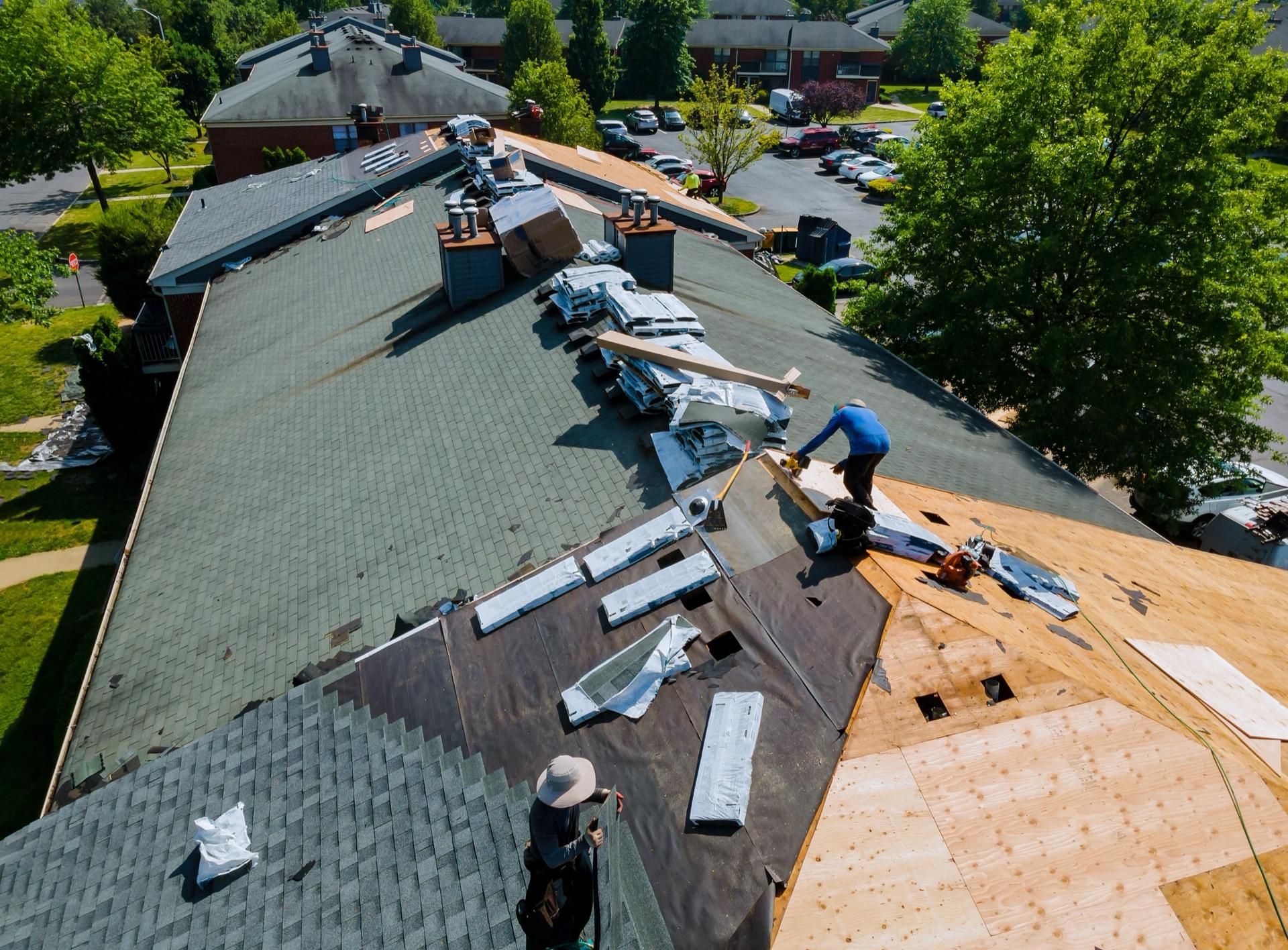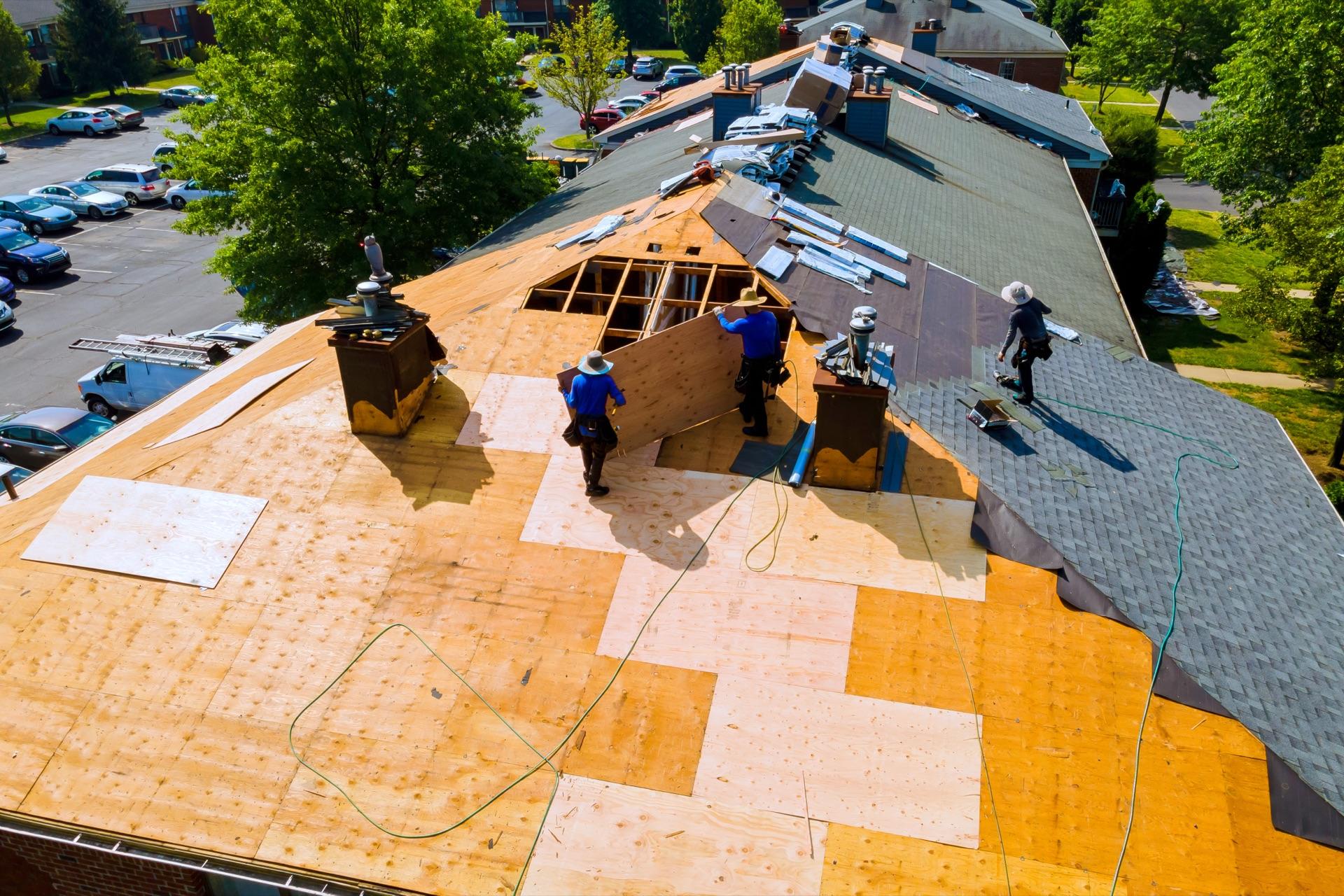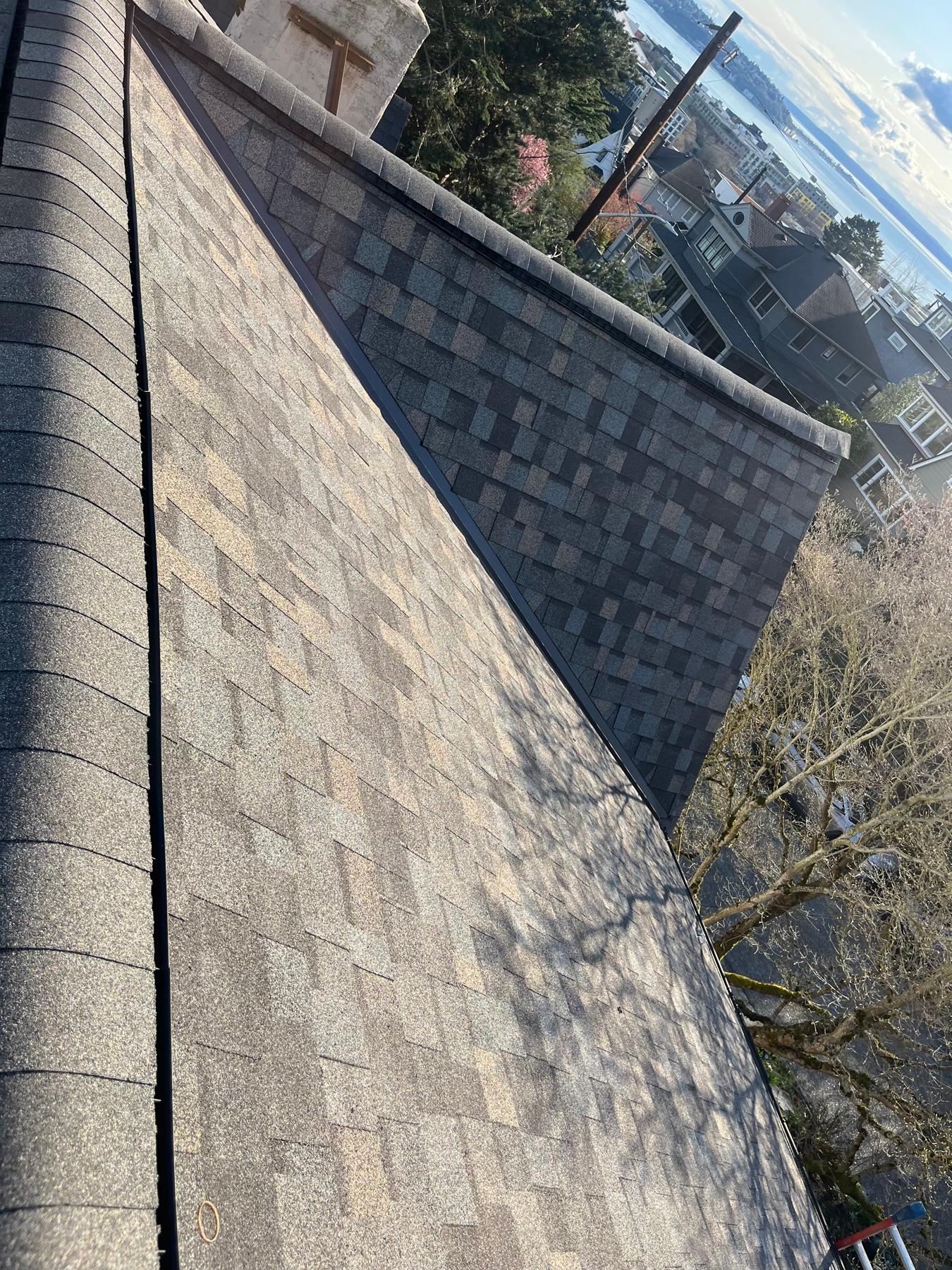
Here's what shake repair actually costs in two of the heaviest shake neighborhoods we work in, each with a very different tree situation, and when it stops being worth it.
Cedar shake repair costs more, and needs it more often, in Woodinville and Shoreline than almost anywhere else we work. The reason is the same in both cities even though the neighborhoods look different: mature tree cover keeps shake wet longer than it should stay wet, and wet shake is what starts every repair call we get. If you're pricing out shake repair in either area, here's what it actually runs, why the tree situation drives the cost, and how to tell when you're past the point of repair making sense.
#Why these two cities specifically
Woodinville shake trouble concentrates around Cottage Lake and Hollywood Hill, where big wooded lots keep entire roof planes in shade most of the day. Shoreline is different geography but the same problem: Richmond Beach and the older view neighborhoods carry a lot of original shake under mature trees, packed onto smaller lots where airflow across the roof is more limited. In both places, shake stays damp for days after a storm instead of drying out in an afternoon, and that's what accelerates splitting, cupping, and moss intrusion into the grain.
#What drives shake repair costs
| Work type | Relative scope | What it involves |
|---|---|---|
| Spot shake replacement (5-15 shakes) | Small spot fix | Pulling and replacing individual split or missing shakes |
| Valley or flashing repair | Moderate repair | Rebuilding a failed valley, replacing corroded flashing at penetrations |
| Larger section replacement | Larger repair | Replacing a whole slope section showing widespread but localized failure |
| Soft-wash cleaning | $1,400 to $1,700 | Low-pressure soft wash and moss treatment across the roof |
The price on any repair depends on access (a two-story roof under trees takes more setup than a single-story open lot), how well the existing shake matches what's available now, and whether the decking underneath is still sound. A repair quote that doesn't mention the decking at all is worth a follow-up question, because that's usually where the real cost surprises come from.
#When repair stops making sense
Watch the trend, not the single repair
One repair every few years on an otherwise sound roof is normal maintenance. Repairs every season, or repairs spreading to new areas each time we're out, means the field is failing broadly and you're funding a slow, expensive replacement one visit at a time. At that point the honest advice is to stop repairing and start planning for a replacement.
We wrote up the full decision framework, including how to weigh repair, restoration, and replacement over a 10-year window, in our cedar shake repair vs. restore vs. replace guide. If your roof is past the point of repair being worth it, most owners in both Woodinville and Shoreline convert to architectural shingle rather than re-shake, which we cover in our shake-to-shingle conversion breakdown. That conversion costs more than a standard shingle tear-off depending on roof size and pitch, since shingles need a solid plywood deck and shake was often installed over spaced skip sheathing.
#Cutting the moisture problem down, not just repairing around it
If you want to slow the cycle instead of just paying for the next repair, a few things genuinely help. Trimming branches back a few feet from the roofline lets more light and airflow reach the surface. Zinc or copper strips at the ridge reduce new moss growth as rain washes trace metal down the roof. Soft-wash cleaning, never a pressure washer, clears what's already there without stripping the wood surface. None of these stop the clock entirely under heavy canopy, but they buy real time between repair visits.
If you're not sure which category your roof falls into, that's exactly what a free inspection settles. We'll get up there, photograph the actual condition, and tell you honestly whether you're looking at a simple spot repair or a conversion, no upsell either direction. Get in touch to schedule one, or check the Woodinville and Shoreline service pages for more on what we cover in each area.
#Frequently asked questions
Why does cedar shake need more repair in Woodinville and Shoreline than other areas?
Both cities have a lot of mature tree canopy over the roof, which keeps shake damp longer after rain than an open lot would. That extra moisture time is what drives split, cupped, and moss-damaged shakes faster than in less shaded neighborhoods.
What determines the cost to repair damaged cedar shakes?
It comes down to how many shakes are split or missing, roof steepness, story height, and whether the felt interlayment or skip sheathing underneath has rotted. A small spot replacement of a handful of shakes is a quick visit, while rebuilding a valley or replacing a larger slope section takes more material and labor.
At what point should I stop repairing and replace the roof instead?
Watch the pattern, not any single repair. If you're calling for shake repair every season, or new areas keep failing after each visit, the field is failing broadly and replacement is usually the better money over the next several years.
Can I switch from cedar shake to architectural shingle in Woodinville or Shoreline?
Yes, it's the most common path once shake is past repairing. It requires installing new solid plywood decking over the old skip sheathing before shingles go on, which is why conversions cost more than a standard re-roof. We inspect the attic and roof deck first so the full conversion scope is itemized in your written estimate.
Written by
Everpeak Roofing
Licensed Seattle roofers, WA Contractor Lic. #EVERPRL743KE. We write from what we actually see on roofs across the Puget Sound.
Related roofing services
Got a roof question of your own?
Free inspections across Seattle and the Puget Sound. We take a look, show you photos, and give you a straight answer. No pressure.