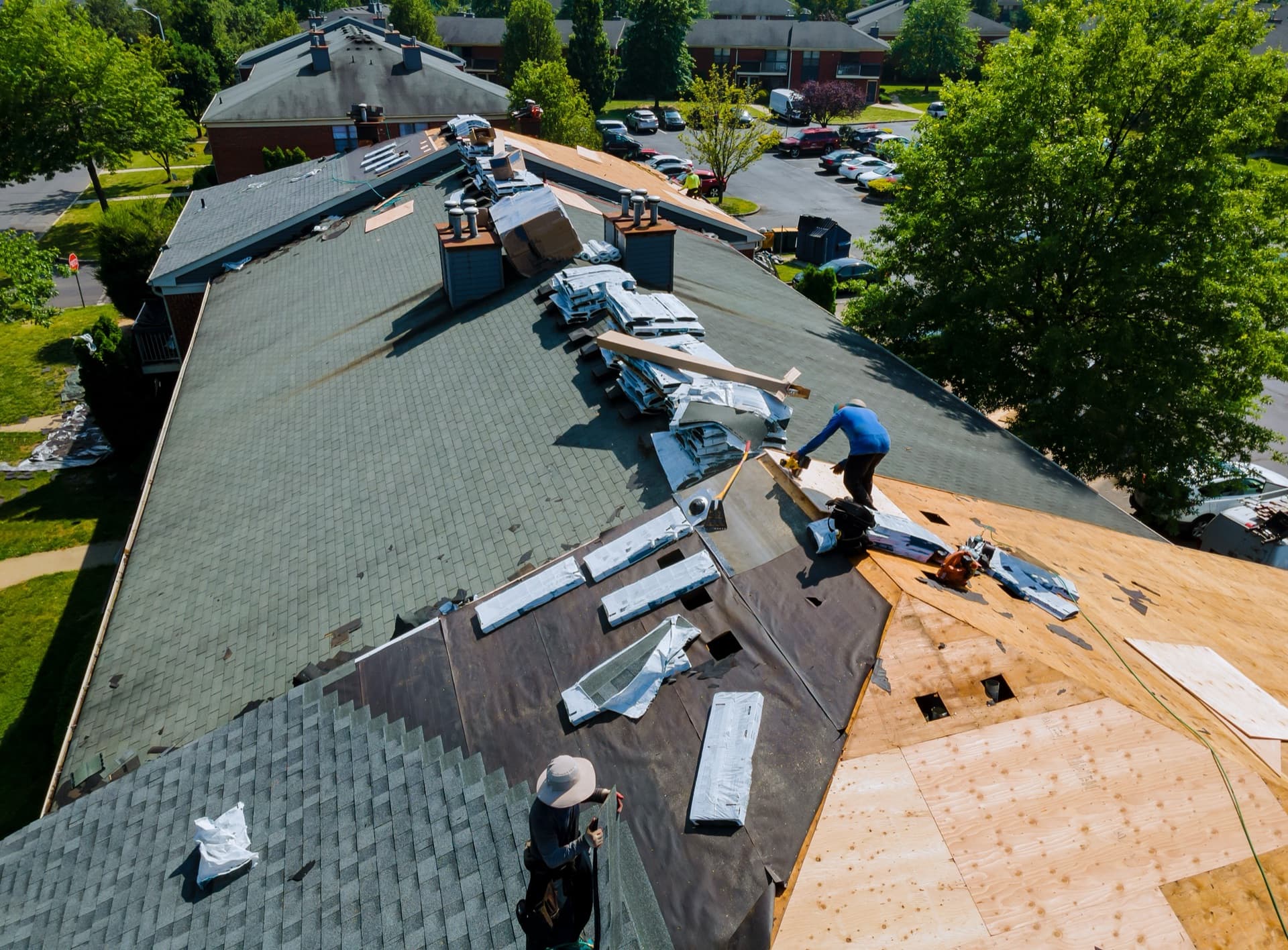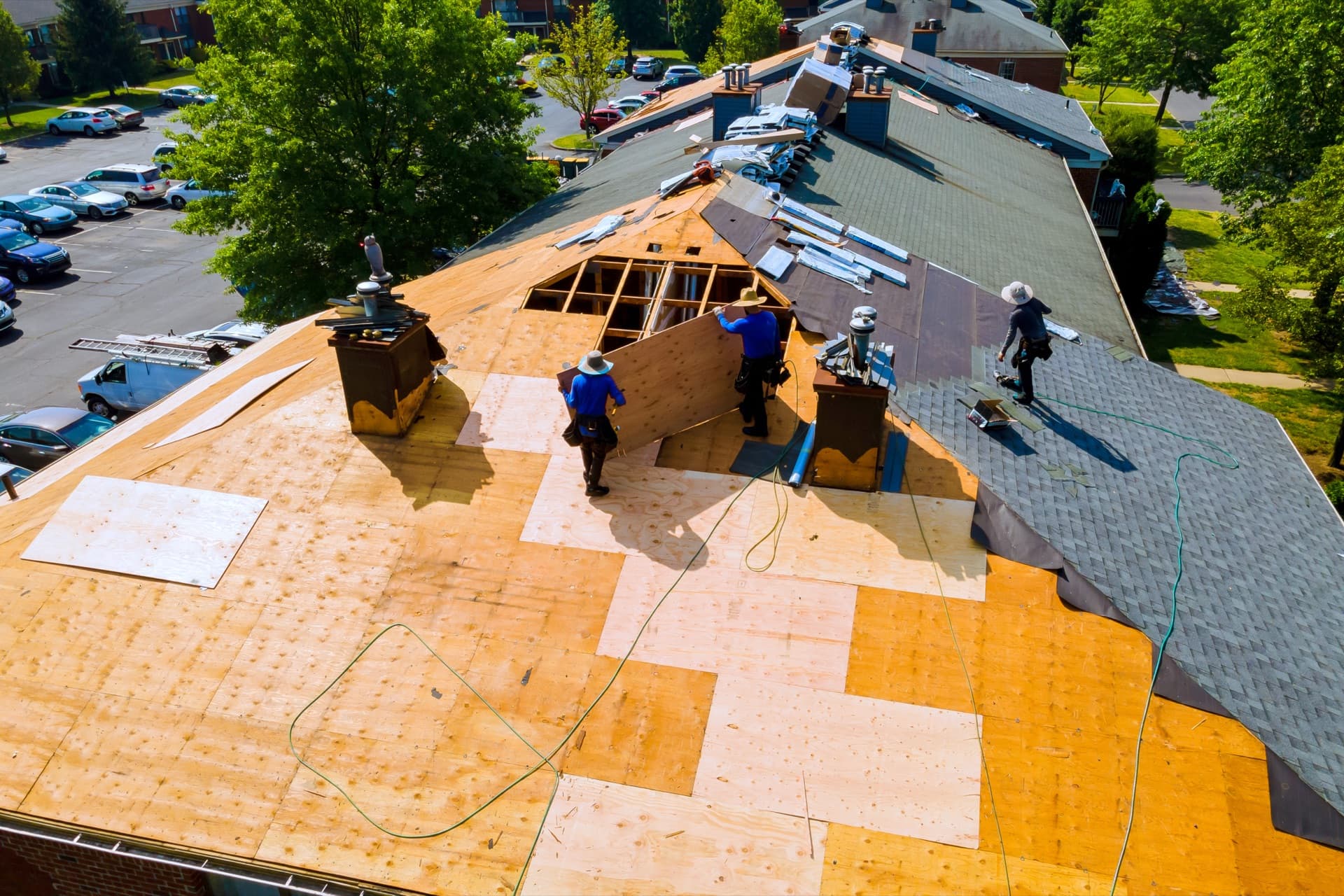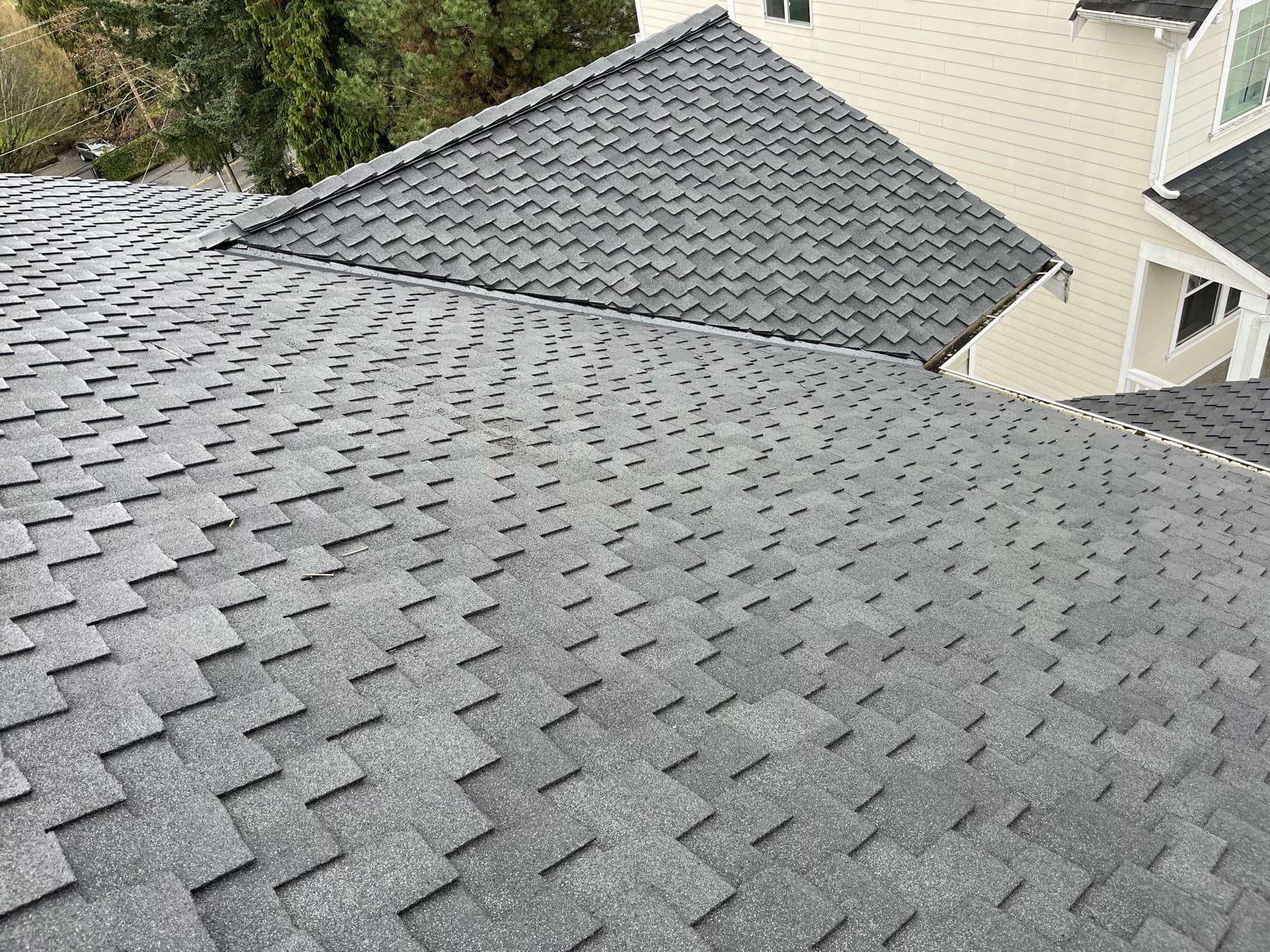
These three north Seattle neighborhoods share the same housing stock, the same moss problem, and the same ticking clock on shingle roofs installed 15 to 30 years ago. Here's what we see up there.
Ballard, Fremont, and Wallingford sit right next to each other in north Seattle, and from a roofing standpoint they're practically the same neighborhood. The housing stock is almost identical block to block: 1920s to 1940s Craftsman bungalows, some post-war ramblers mixed in, and a growing number of skinny townhomes filling every lot that comes up for sale.
#Ballard: compact lots and big trees
Ballard's residential blocks between 20th and 28th NW are packed tight. Old Scandinavian fishing neighborhood, small lots, houses close together, and tall Douglas firs lining the streets. Those firs keep roofs shaded and damp from October through June. The result is moss: thick, heavy, roof-killing moss on every north-facing slope. The 1.5-story bungalows here have steep dormers that create valleys where debris piles up and water pools, so failed valley flashing is one of the most common calls we get from Ballard.
Soft washing is the right approach for Ballard roofs with moss. Pressure washing strips the granules off composition shingles and shortens their life by years, so it is the one thing you do not want a cleaner doing up there.
#Fremont: canal wind and flat sections
Fremont has the same Craftsman bungalow stock on the residential streets, but two things set it apart. First, the homes closer to the Ship Canal get more wind exposure than you'd expect. They sit in a natural corridor between the water and the ridge, and during fall storms the wind funnels through and lifts shingle edges. That matters when your shingles are already 25 years old and the seal strips have dried out.
Second, Fremont Ave and the blocks around it have more apartment buildings and mixed-use structures with flat roof sections. Flat roofs are a different animal: drainage, membrane condition, and parapet wall flashing are the three things that keep them alive. A flat section that ponds water for more than 48 hours after rain is heading for trouble.
#Wallingford: the moss capital of Seattle
Wallingford between 40th and 50th has some of the densest tree canopy in the city, with big old evergreens and deciduous trees shading roofs all year. The streets are gorgeous, but the roofs pay the price. Moss is the number one issue here by a wide margin. We've been on Wallingford roofs that hadn't been cleaned in a decade, where the shingles underneath were barely holding together: the moss had lifted the edges, trapped moisture against the deck, and the plywood was starting to soften.
The math on skipping moss treatment
A $400 to $600 moss treatment every few years is one of the cheapest ways to extend a roof's life. Skip it for ten years and you might be looking at a $15,000 replacement instead. It's basic math, but a lot of homeowners don't think about the roof until there's a water stain on the ceiling.
#The typical job in these neighborhoods
The call we get most often from Ballard, Fremont, and Wallingford sounds like this: a 2,000-square-foot bungalow built in the 1920s, on its third roof, with composition shingles installed sometime around 2005. The shingles are curling at the edges, there's moss on the north slope, and the homeowner just noticed granules in the gutters. That roof has maybe two to three years left if everything goes well, but it's time to start planning.
A roof inspection is the cheapest way to find out exactly where things stand. We'll get up there and check the shingles, the flashing, the valleys, and the ventilation, then tell you straight whether you're looking at a cleaning and a few more years or a full replacement. If you want a ballpark before you call, our roof cost estimator gives you a starting number with no commitment.
Written by
Everpeak Roofing
Licensed Seattle roofers, WA Contractor Lic. #EVERPRL743KE. We write from what we actually see on roofs across the Puget Sound.
Related roofing services
Got a roof question of your own?
Free inspections across Seattle and the Puget Sound. We take a look, show you photos, and give you a straight answer. No pressure.