Spot ventilation problems before they turn into big repairs: trapped moisture rots roof sheathing from the inside, even when the surface looks perfectly fine.
Most homeowners never think about roof ventilation until something goes wrong. And by 'wrong,' we mean dark mold creeping across the attic sheathing, shingles buckling for no obvious reason, or a musty smell that won't go away no matter how many times you air out the house. The thing is, ventilation problems are invisible from the outside. Your roof can look great from the curb and be rotting from within.
#Why this matters more in the PNW
People in Phoenix worry about heat buildup in their attics. Here in Seattle, the problem is different. We don't get extreme summer temperatures, but we get eight months of cool, damp weather. Warm air from your house rises into the attic, hits cold sheathing, and condenses. It's the same thing that happens on the outside of a cold beer glass on a humid day. Except it's happening on the underside of your roof deck, every day, from October through May. That slow, steady condensation does real damage over time.
#Signs your ventilation is failing
Grab a flashlight and get into the attic on a dry afternoon. You don't need to be a roofer to spot these. Dark staining on sheathing: Healthy plywood is a consistent light tan. Dark patches, especially near the ridge, mean moisture damage. Run your hand across it. Damp means active condensation. Frost in winter: White frost on the underside of the roof boards in cold weather tells you the attic is holding moisture. When it melts, that water soaks into the plywood. Do that fifty times over a winter and you've got a problem. Musty smell: Mold growing on the wood. Visible black, green, or white patches mean you're past the early warning stage. Wavy or buckled shingles: The sheathing has swelled from moisture. The plywood expands and pushes shingles out of plane, letting water in even faster.
Ice dams are also a ventilation symptom
Rare in Seattle, but when icicles form along the eaves during a cold snap, it usually means warm attic air is melting snow on the upper roof, which refreezes at the cold eave. Proper ventilation keeps roof deck temperatures even and prevents that cycle.
#How to check your soffit vents
This is the number one thing we find on older Seattle homes. The house has soffit vents, but somewhere along the way, insulation got blown in or batts got pushed right up against the eave, blocking airflow completely. From the attic, look toward the eaves with your flashlight. You should see daylight or at least feel air movement. If the insulation is jammed tight against the roof deck all the way to the edge, your intake is choked. No intake, no airflow, no matter how many ridge vents you have up top.
#Common fixes
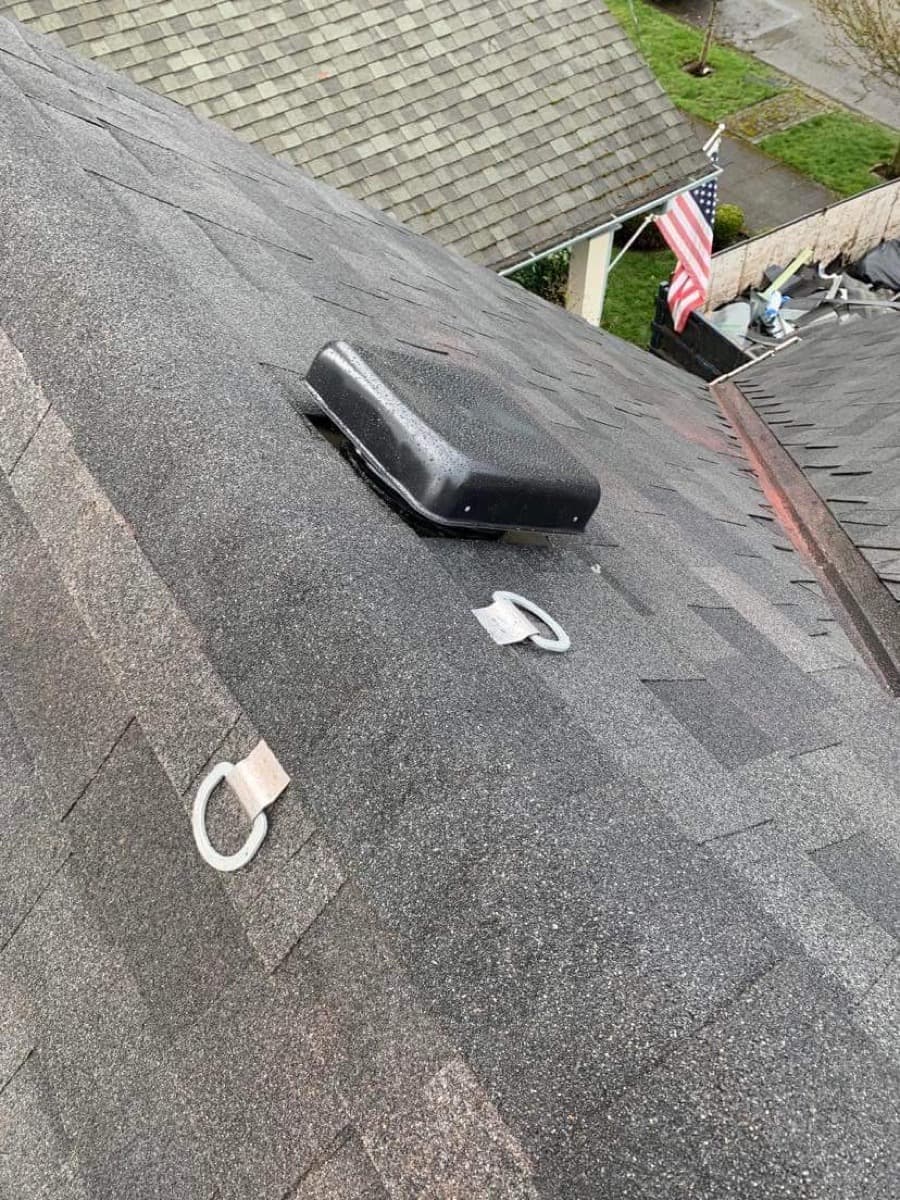
If soffit vents are blocked by insulation, the answer is soffit baffles (also called rafter vents). These are cheap plastic or foam channels stapled between the rafters to keep a clear air path from the soffit to the attic space. One of the best bang-for-your-buck improvements you can make. If your roof has no ridge vent, adding one is a solid upgrade. Older homes often rely on a few static can vents or gable vents, which move some air but not enough for a tight, well-insulated attic. A continuous ridge vent paired with open soffits gives you balanced airflow across the whole deck.
When to bring in a pro
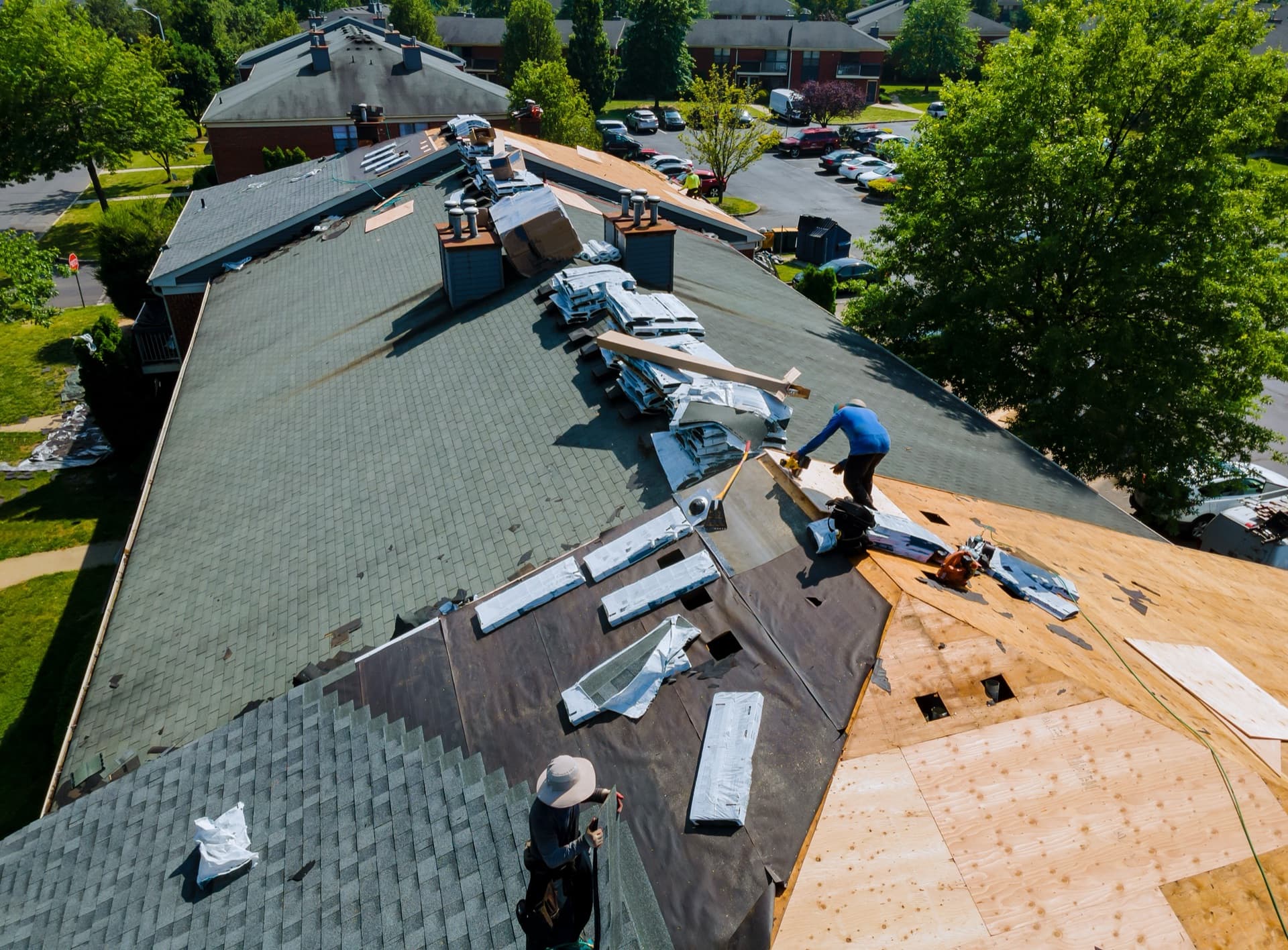
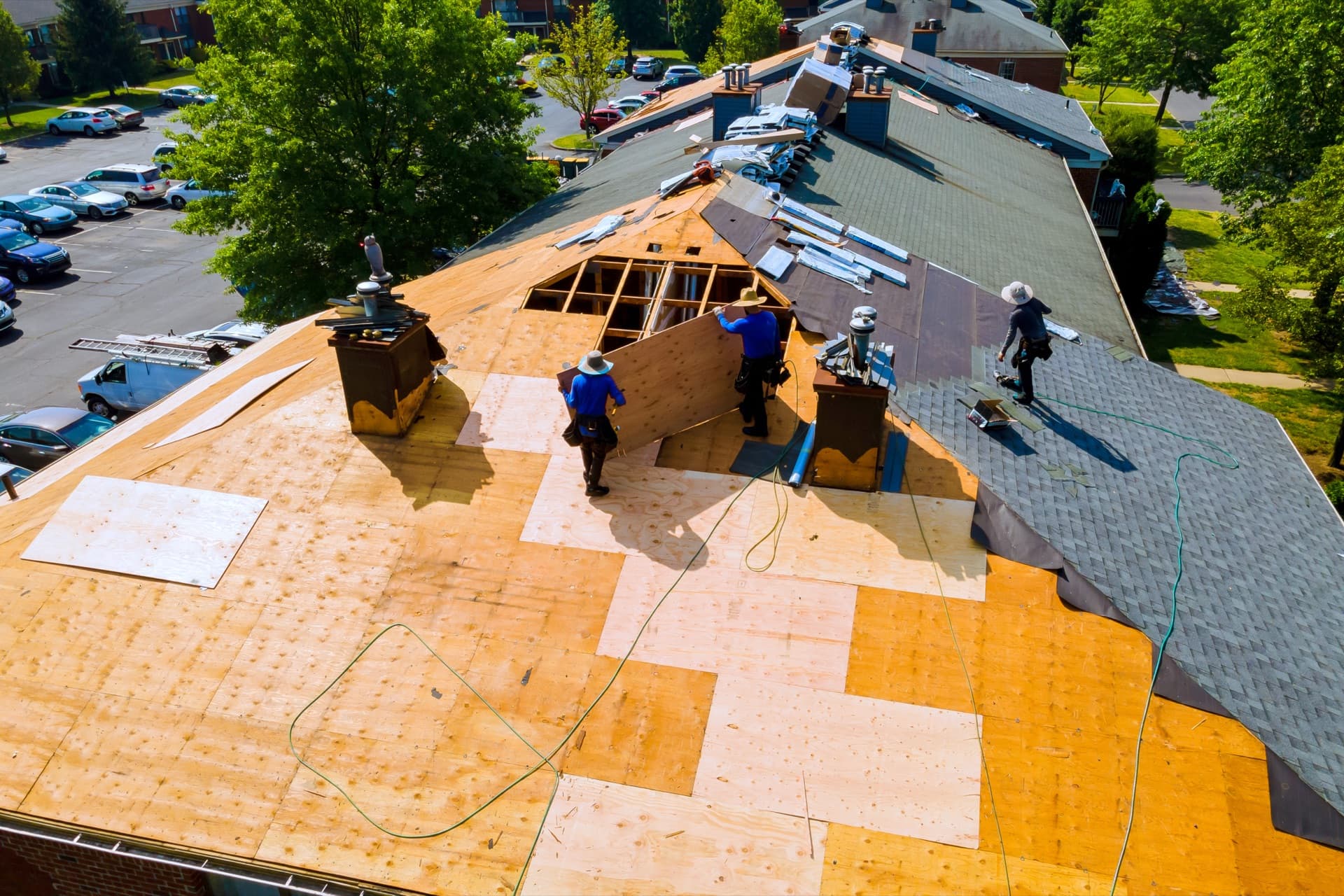
If you're seeing mold, widespread dark staining, or soft spots in the sheathing, that's beyond a baffle install. You might need sheathing replacement, mold remediation, or a full ventilation retrofit. A roof inspection will tell you where you stand, we check ventilation on every inspection because it's that closely tied to roof life.
Ventilation problems don't fix themselves, and they get worse every season. If your attic smells off, looks damp, or just doesn't feel right, it's worth getting eyes on it. A repair caught early is always cheaper than a replacement caught late. Our maintenance program includes annual attic checks for exactly this reason. And if you want to make sure your roof is ready before the rain picks back up, our fall prep guide covers the timing. Got questions? Reach out and we'll tell you what we find.
Written by
Everpeak Roofing
Licensed Seattle roofers, WA Contractor Lic. #EVERPRL743KE. We write from what we actually see on roofs across the Puget Sound.
Related roofing services
Got a roof question of your own?
Free inspections across Seattle and the Puget Sound. We take a look, show you photos, and give you a straight answer. No pressure.