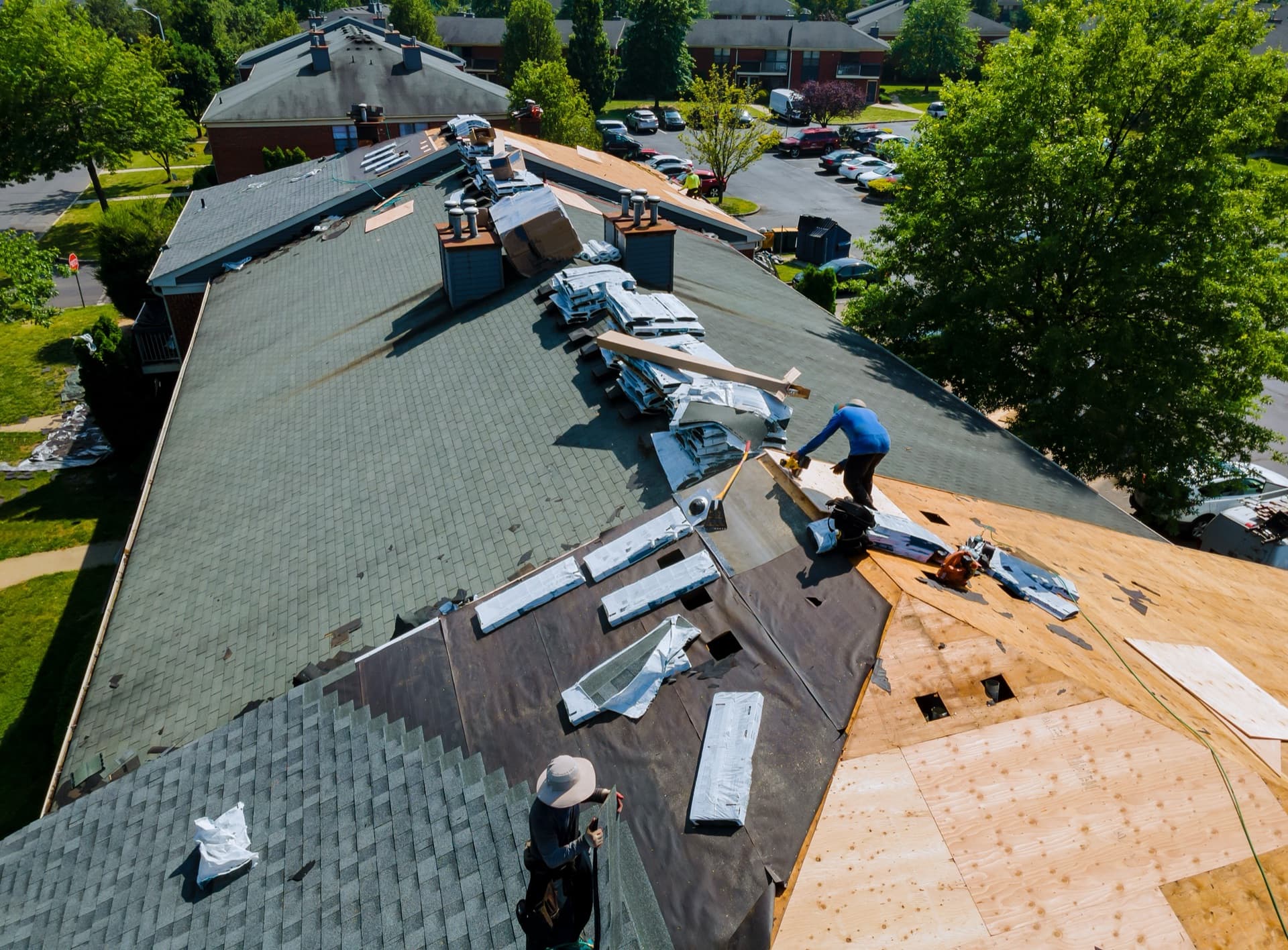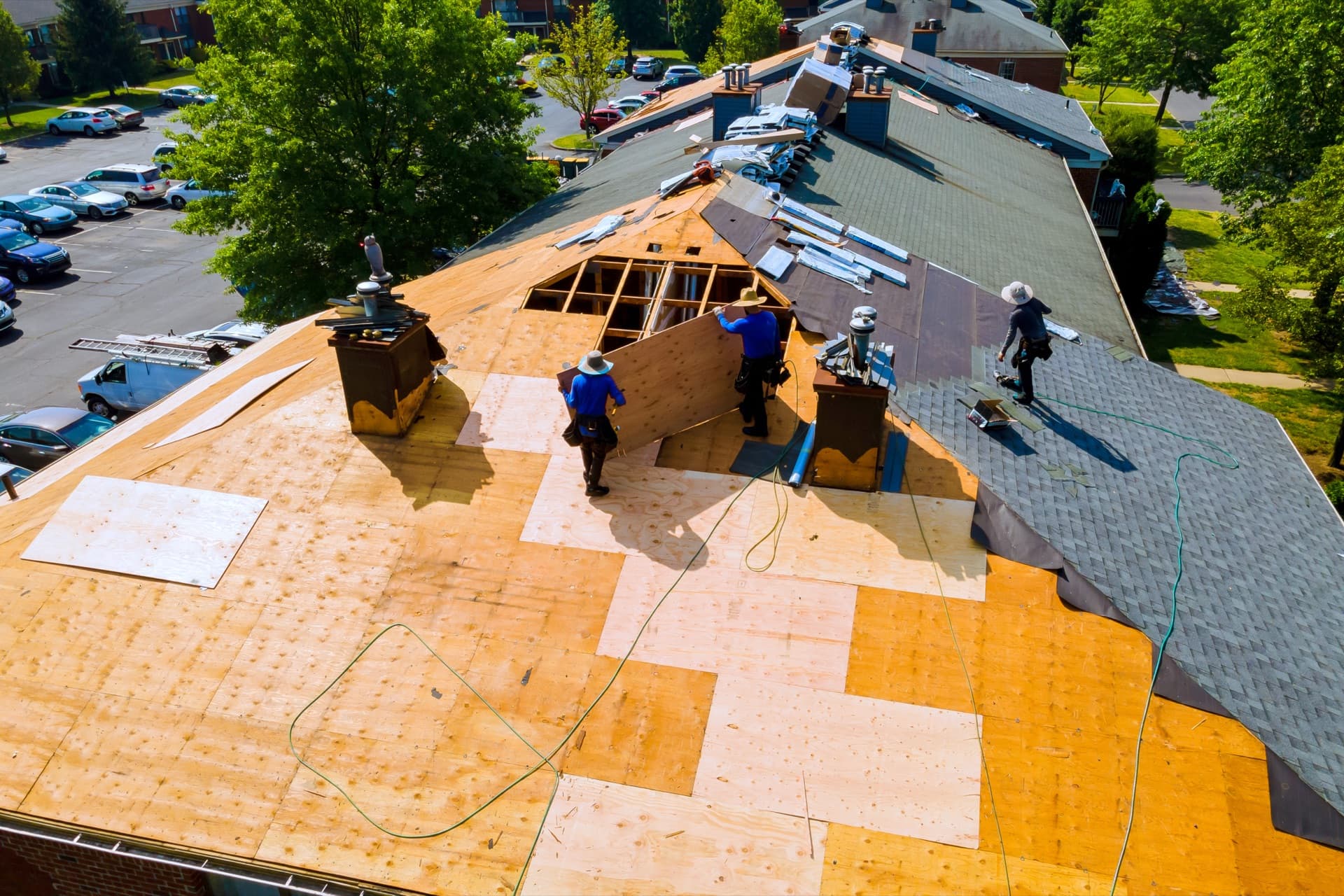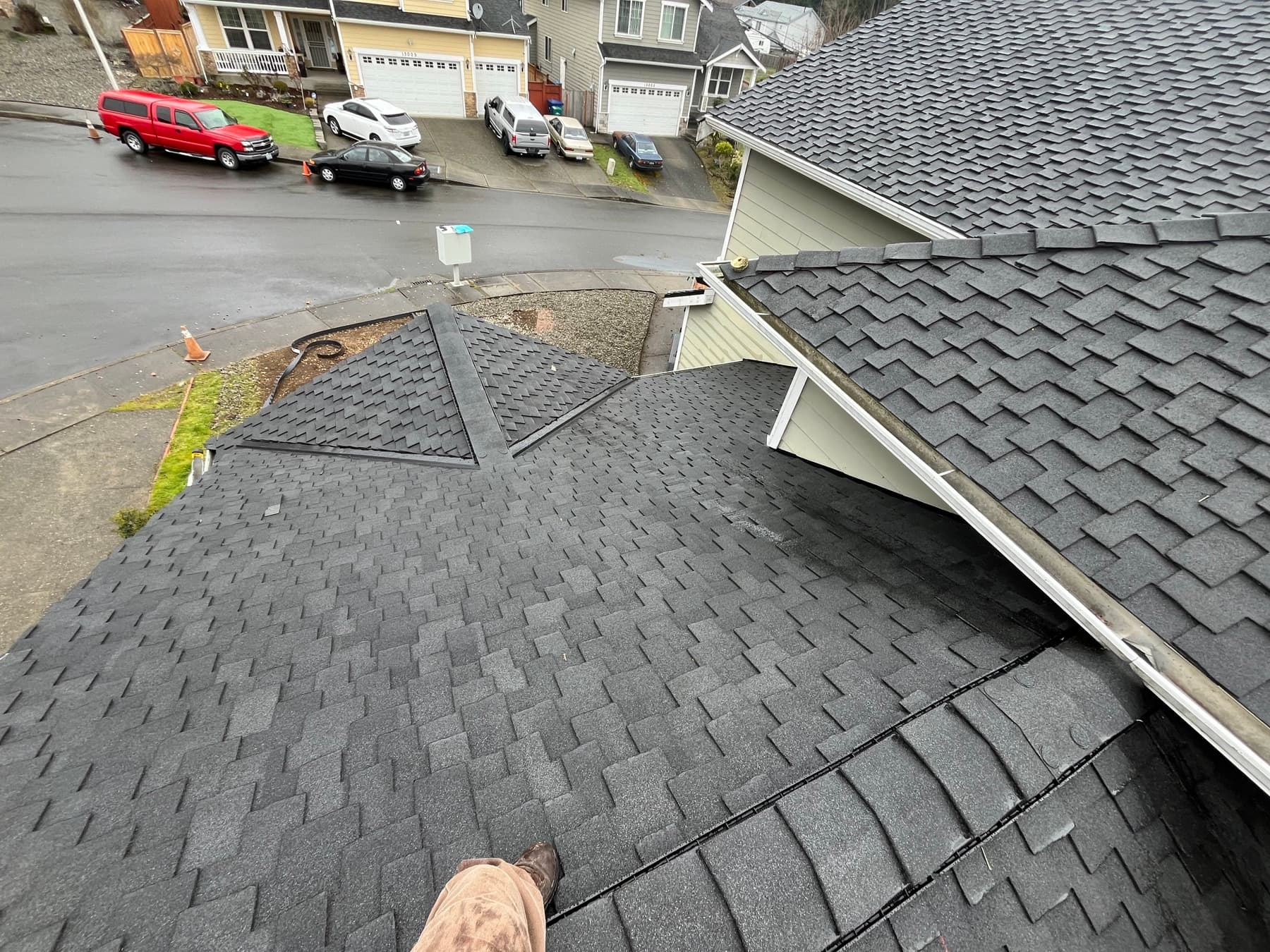
Capitol Hill's mix of century-old Craftsman homes, dense apartment buildings, and tight lot lines creates roofing problems you won't find in the suburbs. Here's what we run into and how we deal with it.
Capitol Hill has some of the oldest housing stock in Seattle, and we've been on enough of these roofs to know exactly what's up there. Every block between Broadway and the arboretum tells a different story, but the problems tend to fall into a few predictable categories depending on what kind of building you're standing on.
#The Craftsman bungalows (and there are a lot of them)
Most of the single-family homes on Capitol Hill were built between 1900 and 1925. Wide eaves, steep pitches, dormers that cut into the main roof plane, and brick chimneys that have been settling for a hundred years. These homes almost always had cedar shake originally. By now, most have been re-roofed at least once, sometimes twice.
The biggest issue we see on Craftsman roofs here is where the dormers meet the main slope, those valleys collect debris, hold moisture, and the flashing underneath eventually gives out. It's one of the most common roof repair calls we get from this neighborhood. Chimney flashing is the other one. Brick chimneys on homes this old have shifted and settled, and the flashing that was re-done twenty years ago has cracked or pulled away from the masonry.
Pitch matters, and it costs money
Capitol Hill Craftsman homes tend to run 8:12 or steeper. At those pitches you can't just walk around up there. It takes roof jacks and harnesses on most of these jobs, which adds time and labor. If someone gives you a quote for a Capitol Hill roof that sounds like a ranch house in Kent, ask how they're planning to work the pitch. That's a real question, not a gotcha.
#The apartment buildings along Broadway and Pike-Pine
Capitol Hill's denser corridors have a completely different roofing situation. Box-style apartment buildings from the 1920s through 1960s, a lot of them with flat or low-slope sections covered in TPO or torch-down modified bitumen. The failure points are almost always the same: parapet wall flashing that's cracked, drains that are clogged or undersized, and ponding water that sits for days after it rains.
If your building has standing water 48 hours after a rainstorm, the membrane isn't the problem. The slope is. When a flat section on one of these buildings starts leaking, it's usually time for a full roof replacement on that section rather than chasing patches. Patches on flat roofs buy you a season, maybe two.
#Moss. So much moss.
The blocks between 15th and 19th Ave, especially on the east slope heading toward Volunteer Park and the arboretum, are some of the shadiest residential streets in Seattle. Old-growth trees, dense canopy, and north-facing slopes that don't see direct sun from October to March. Moss loves all of that. We've pulled mats off Capitol Hill roofs that were three inches thick and growing undisturbed for years. Soft washing is the right move for most of these, pressure washing a mossy roof destroys the shingles faster than the moss does.
#Access is tighter than you'd think
Narrow lots and tight streets add real complexity
Capitol Hill lots are narrow. Some of these homes are six feet from the property line, which means getting a ladder up on one side might require your neighbor's permission (or their yard). We've done jobs where the truck had to park a block away because there's no alley and the street parking is full. It's not a dealbreaker, but it's something to plan for, and it's why some contractors skip this neighborhood entirely. We don't.
Most Capitol Hill roofs are older than the owners think. The last re-roof might have been in the early 2000s, which means it's 25 years old and the shingles are approaching end of life. The pitch is steeper than it looks from the street. And the tree coverage means moss has been working on it year-round whether you noticed or not.
Run through our roof inspection checklist if you want to get a sense of where things stand before calling anyone. If you want a quick number, our roof cost estimator takes about two minutes and doesn't require a phone call.
Written by
Everpeak Roofing
Licensed Seattle roofers, WA Contractor Lic. #EVERPRL743KE. We write from what we actually see on roofs across the Puget Sound.
Related roofing services
Got a roof question of your own?
Free inspections across Seattle and the Puget Sound. We take a look, show you photos, and give you a straight answer. No pressure.