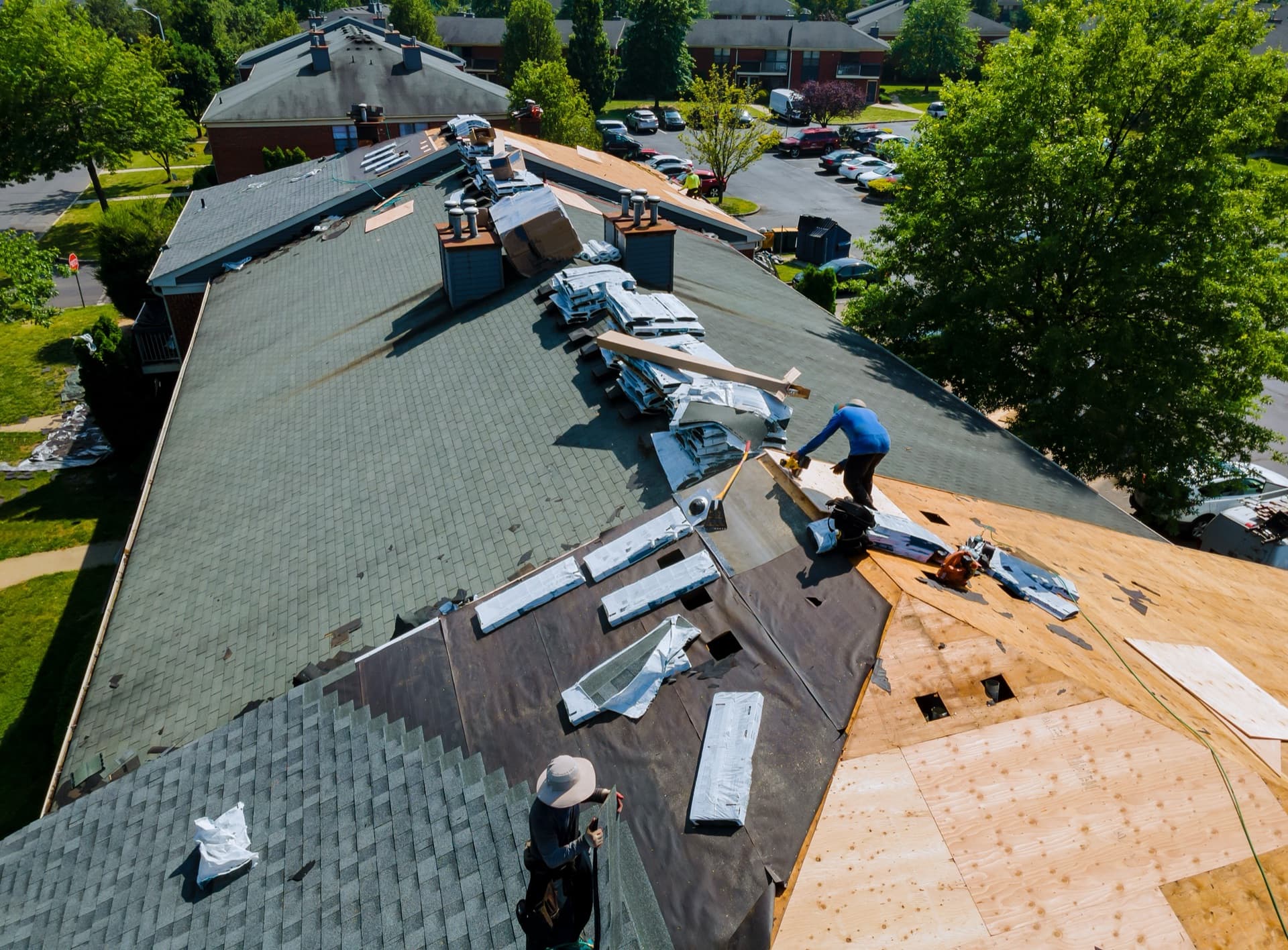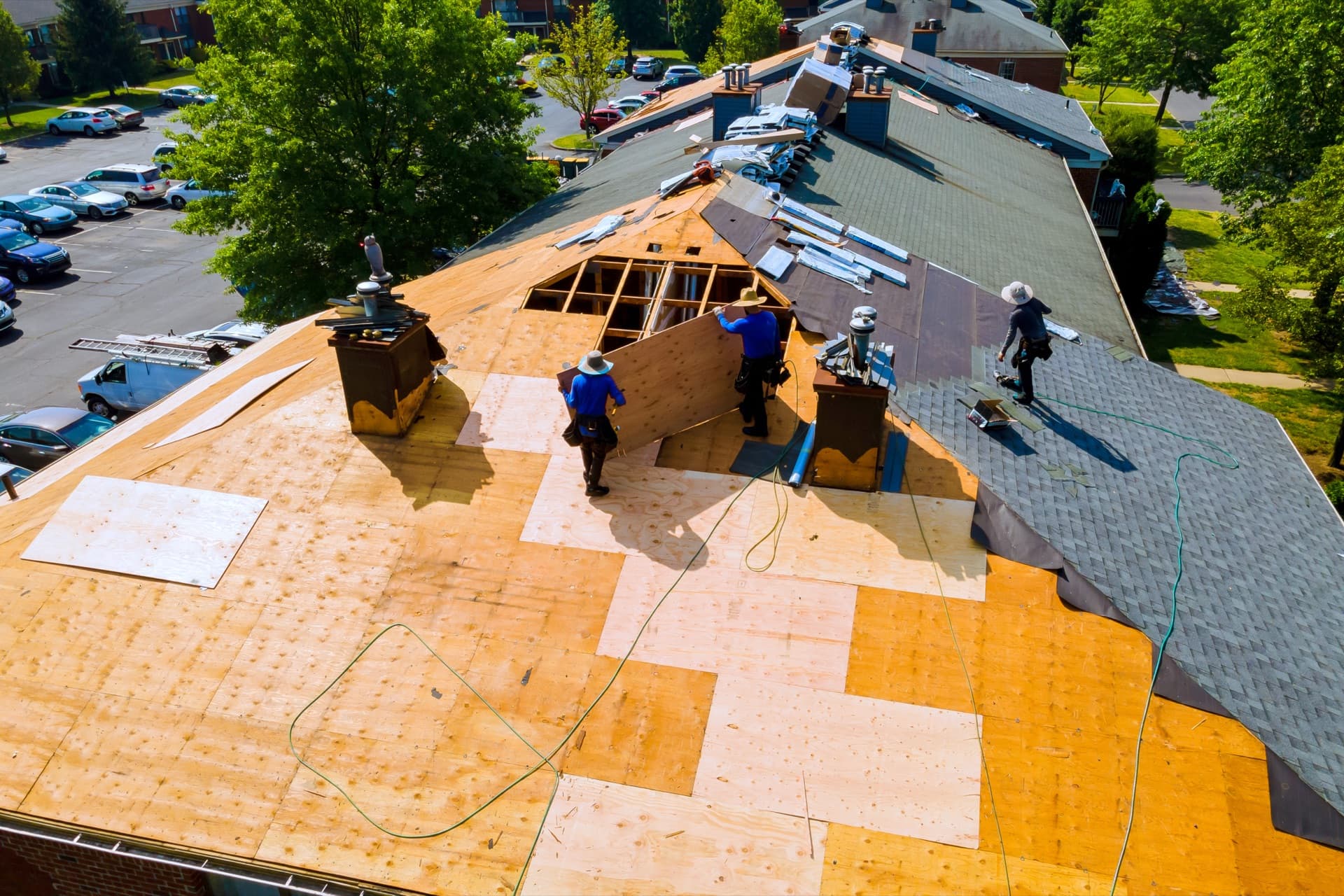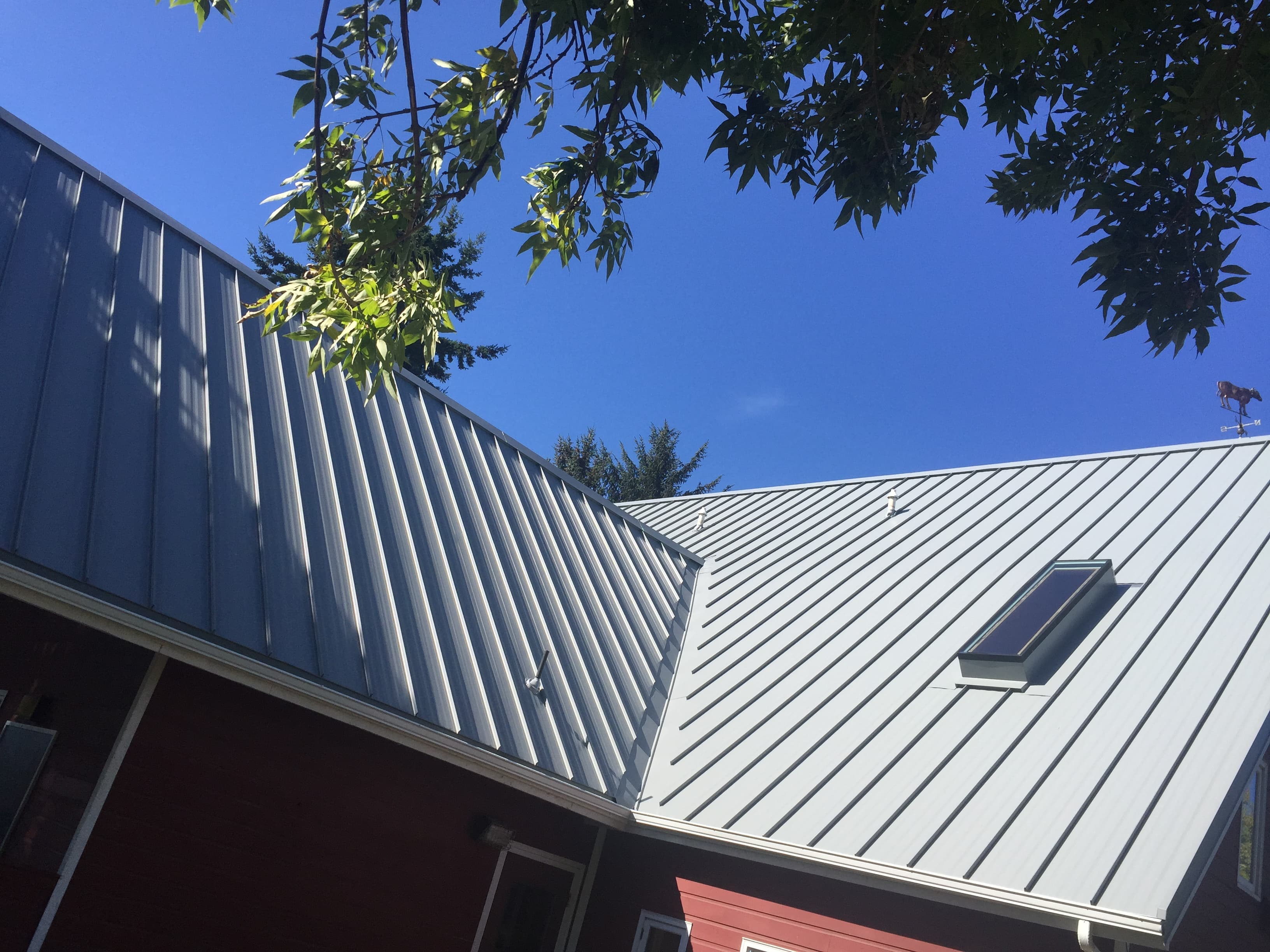
Architectural asphalt shingles are still the right call for most single-family homes in Seattle. Metal has its place, but the math only pencils out in specific situations. Here's how we think about it.
Every few weeks we get a call from a homeowner in Queen Anne or Mercer Island who just got a pitch from a metal roofing salesman and wants to know if it's worth it. The honest answer: for most single-family homes in Seattle, architectural asphalt shingles are still the right call. Metal has its place, and we install both, but the math only works in specific situations.
#The quick verdict
If you're planning to live in your home for another 20 years and the current roof is asphalt, put asphalt back on. You'll spend roughly half as much and the roof will likely outlast your plans for the house. If you're building a custom home in North Bend, replacing aging cedar shake, or re-roofing a modern craftsman where the look is part of the design, metal gets interesting. Outside of those situations, the premium is hard to justify for an average Seattle ranch.
#Side-by-side comparison
| Factor | Architectural Shingles | Standing Seam Metal |
|---|---|---|
| Cost (2,000 sq ft) | $14k, $22k | $24k, $36k |
| Lifespan (PNW) | 25 to 30 years | 40 to 50 years |
| Moss shedding | Moderate, textured surface grabs spores | Better, slicker surface sheds easier |
| Wind rating (with correct nailing) | 110 to 130 mph | 140+ mph |
| Noise (with underlayment) | Silent | Silent |
| HOA acceptance | Universal | Sometimes restricted |
| Installer availability | Many crews | Specialized trade |
#Moss, the big PNW consideration
Seattle differs from almost every other market because moss is the single biggest roof killer here, and it affects both materials, just not equally. Asphalt shingles are textured, so moss filaments grab the granules and work their way between courses. Standing seam metal is slicker, so moss has a harder time anchoring.
It still grows on shaded north slopes in Issaquah, we've scraped it off plenty of metal roofs, but it sheds easier and doesn't dig in the same way. Soft washing and regular maintenance keeps both materials alive longer, but metal gives you a measurable edge on the shadier slopes.
The noise myth, put it to rest
Every homeowner asks about this. A properly installed standing seam metal roof over solid decking with synthetic underlayment is not loud. The noise complaint comes from old barn-style metal roofs installed over open purlins. With plywood sheathing, ice and water shield, and underlayment beneath it, you will not hear rain hitting the roof from inside your living room. We've stood inside finished metal homes during PNW downpours to verify this.
#Installation complexity
Standing seam metal is a different trade than asphalt. Fewer Seattle crews do it well. The panel layout, hemmed edges, and custom flashings around penetrations all require specific training that most shingle crews don't have. If you hire the wrong installer, you'll have water infiltration callbacks at valleys and sidewalls for years. We use metal most often on commercial roofing work where the trade base is deeper, and on residential when we're confident the install crew has the background.
#When metal actually wins
Situations where we'd genuinely recommend metal
A modern or contemporary home where the aesthetic is the point. Heavy tree cover where the slicker surface limits moss growth. A cabin or second home where you want set-it-and-forget-it performance. A house you plan to own forever and never re-roof again. Outside of those, standard architectural shingles are the right call, and you'll save $10,000 to $15,000 in the process.
#What we'd put on our own houses
Honest answer: architectural shingles, for most of our own homes. The price difference pays for a lot of other things, and a good shingle install will get you to 25 or 30 years without much thought. If we were building a custom modern in the mountains, or re-roofing a cabin where we wouldn't be around to deal with moss, we'd probably go standing seam. Context matters. If you want a real estimate on your specific home, contact us for a free walkthrough, or start with the 2026 cost guide to get oriented on pricing.
Written by
Everpeak Roofing
Licensed Seattle roofers, WA Contractor Lic. #EVERPRL743KE. We write from what we actually see on roofs across the Puget Sound.
Related roofing services
Got a roof question of your own?
Free inspections across Seattle and the Puget Sound. We take a look, show you photos, and give you a straight answer. No pressure.