Replace your roof before going solar if it has less than 10 years of life left. Doing it in the wrong order costs thousands extra. Here's how to figure out the timing.
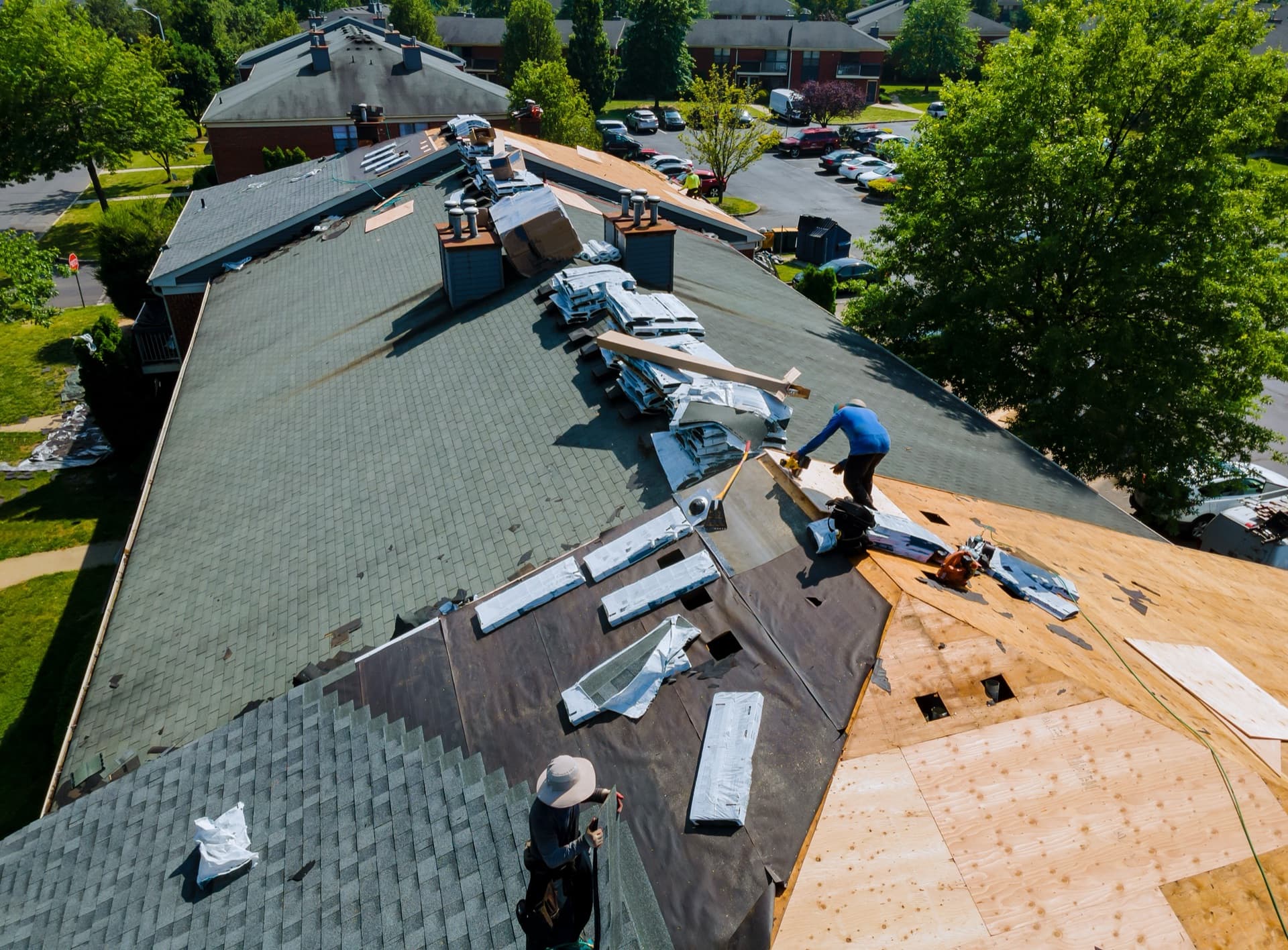
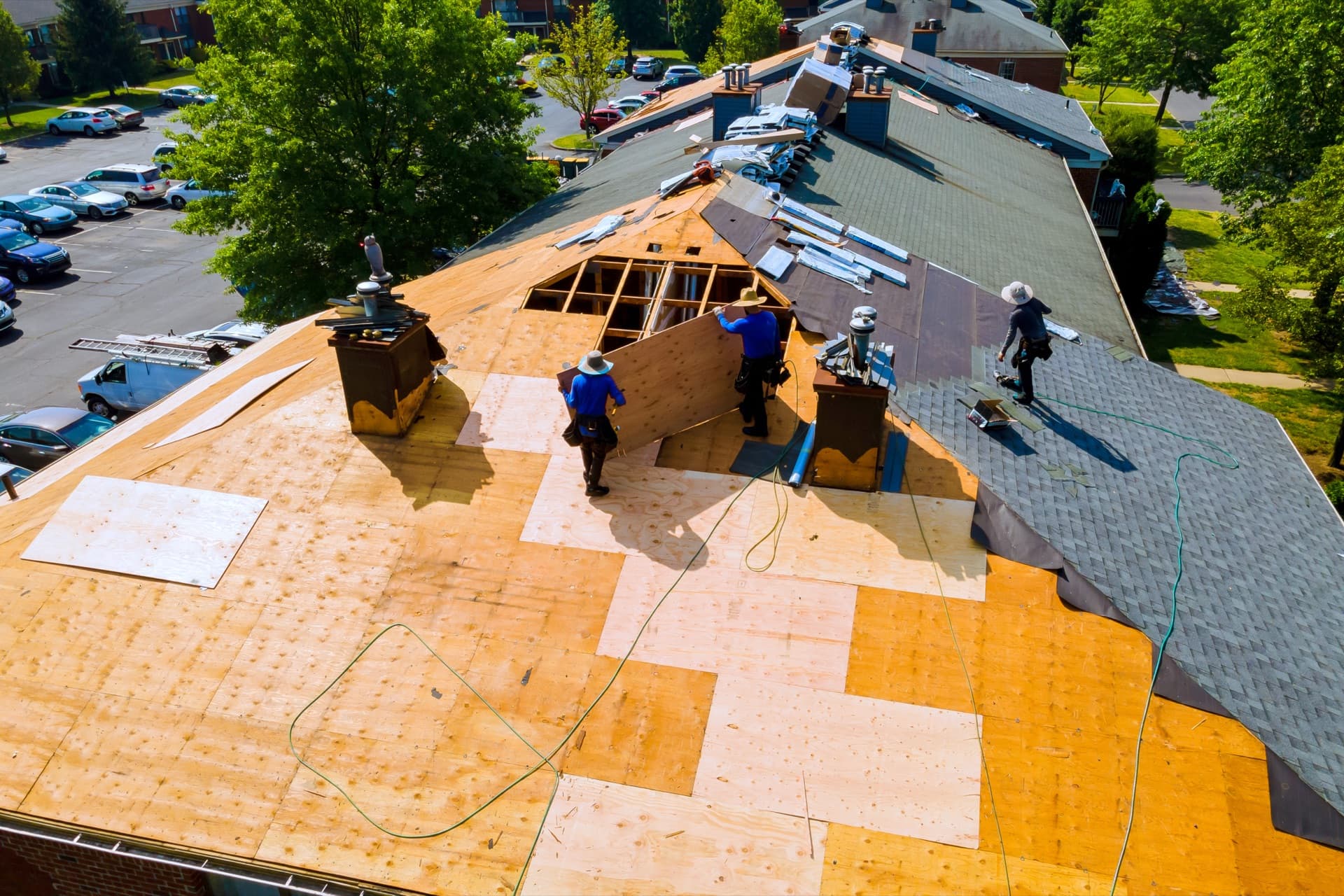
Solar installers in the Seattle area are busier than they've ever been. And the number one question we get from homeowners who are thinking about panels is whether they should replace the roof first. Short answer: if your roof has less than about 10 years of useful life left, yes. Get the roof done before the panels go on.
#Why the order matters so much
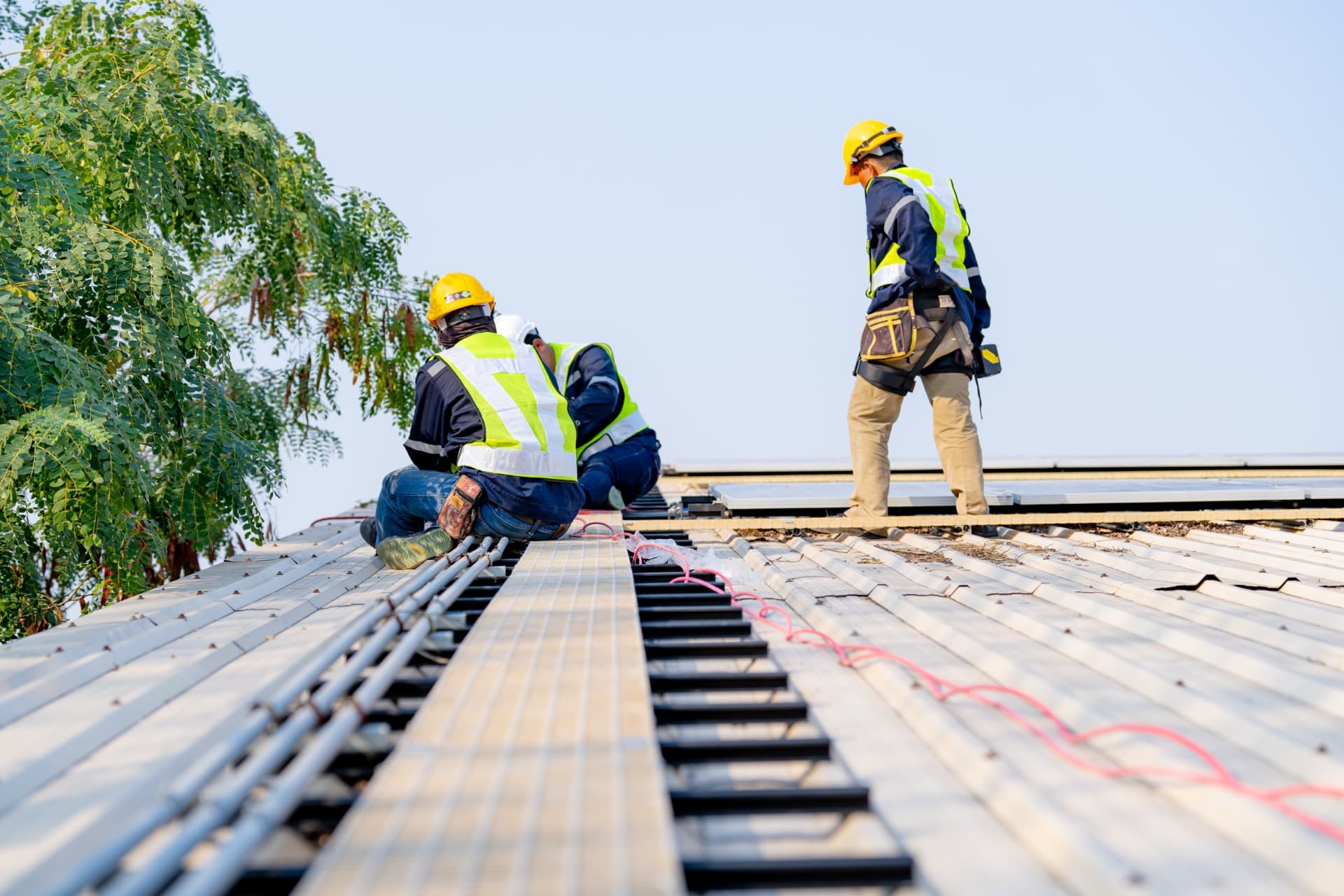
Once solar panels are mounted, they're bolted through the roofing material into the deck with lag bolts and flashing. If you need a new roof five or eight years later, someone has to pull all those panels off, store them, do the roof, then reinstall every panel. That removal and reinstallation runs $2,000 to $5,000 depending on system size.
And here's the part that really stings: if a crew other than the original solar installer handles those panels, you could void the solar warranty entirely. So now you've paid twice and lost your coverage. A roof inspection up front is the cheap way to avoid that whole mess.
#How to tell if your roof can handle solar
Three things to check before signing a solar contract
Age: If you've got a 25-year shingle roof that's already 15 years old, you're cutting it close. Solar panels last 25 to 30 years, your roof won't keep up. Condition: Curling shingles, bald patches, soft spots when someone steps on the deck, any of these mean the roof needs work before anything gets mounted to it. A dedicated roof inspection will give you a clear answer on remaining life. Material: Standing seam metal is the easiest surface to mount solar on because installers use clamps instead of drilling through the roof. Composition shingles work fine with proper flashing around each penetration. Cedar shake is problematic, the mounting hardware doesn't seat well.
#Solar still makes sense in Seattle
People assume Seattle is too cloudy for solar. It's not. Our long summer days (16-plus hours of daylight in June) generate a lot of power, and Washington's net metering program lets you bank credits from those sunny months to offset your winter bills. We've talked to homeowners in Ballard and Beacon Hill who are covering 70 to 90 percent of their annual electricity with a properly sized system.
Panels actually help protect the shingles underneath them too, they block UV exposure and keep moss from growing in the shaded area, so the section of roof under your array often outlasts the rest.
#The real numbers
Cost of getting the order wrong
A typical Seattle home roof replacement costs $18,000 to $25,000. A residential solar system in the 7 to 10 kW range runs $15,000 to $25,000 before the federal tax credit. Doing the roof first saves you $3,000 to $5,000 compared to pulling panels mid-life, plus you avoid the warranty gap and coordination headaches.
#Coordinate your roofer and solar installer
Get the roofer and the solar installer talking to each other before either project starts. The roofer needs to know where the racking will penetrate so they can reinforce flashing in those areas. The solar installer needs to know what roofing material is going down so they spec the right mounting hardware. If both companies are in the loop, you end up with cleaner penetrations, better waterproofing, and warranty coverage that doesn't have gaps.
One thing we've seen go wrong: a homeowner gets a new roof, then the solar crew shows up a month later and drills through the brand new flashing in the wrong spot. Avoidable if the two teams coordinate upfront.
If your roof is on the fence age-wise, a 30-minute inspection tells you exactly how much life is left and whether you're safe to mount panels on what's already there. Schedule a free inspection and we'll give you a straight answer on timing. No sales pitch, just the math on your specific roof.
Written by
Everpeak Roofing
Licensed Seattle roofers, WA Contractor Lic. #EVERPRL743KE. We write from what we actually see on roofs across the Puget Sound.
Related roofing services
Got a roof question of your own?
Free inspections across Seattle and the Puget Sound. We take a look, show you photos, and give you a straight answer. No pressure.