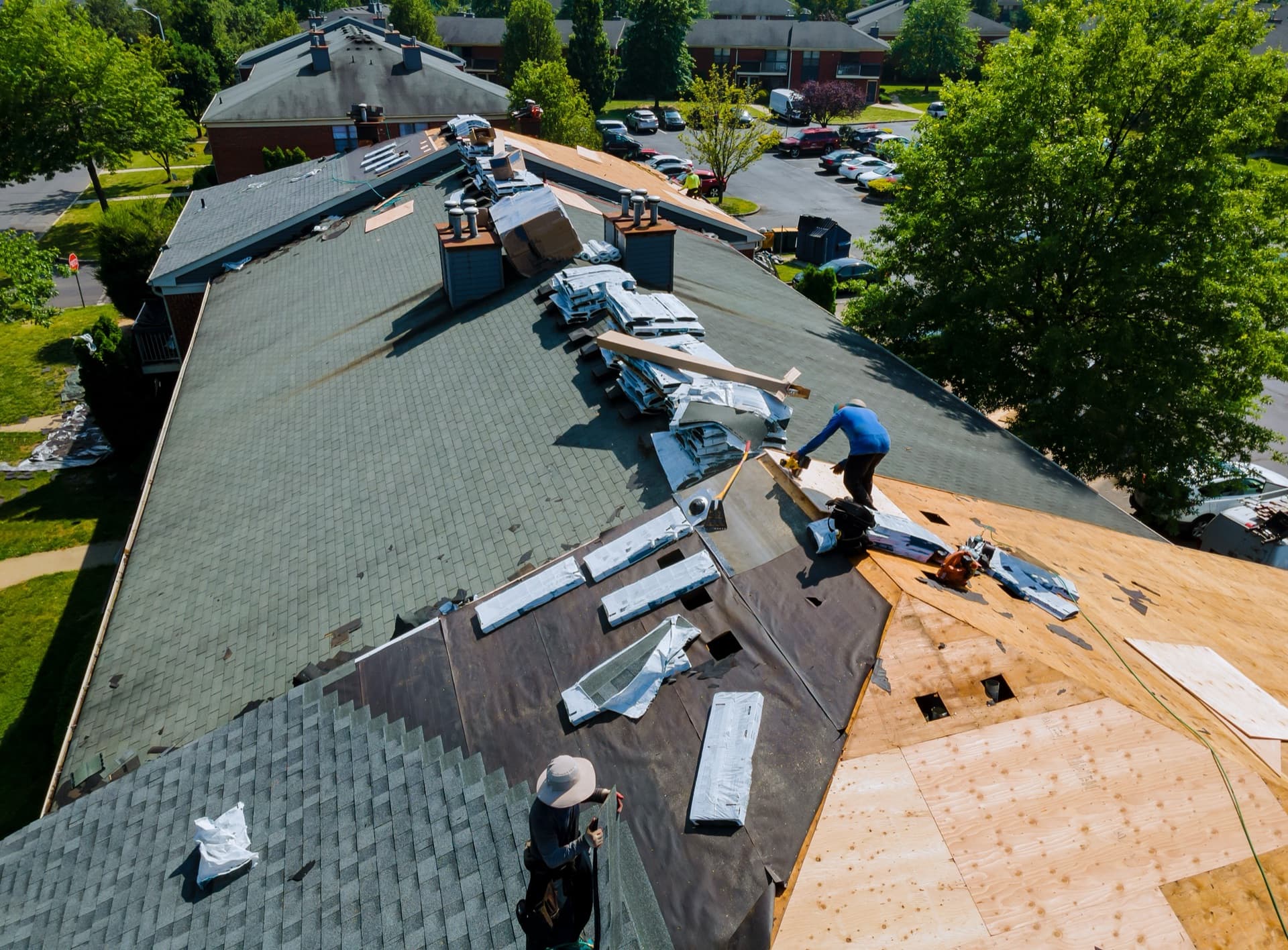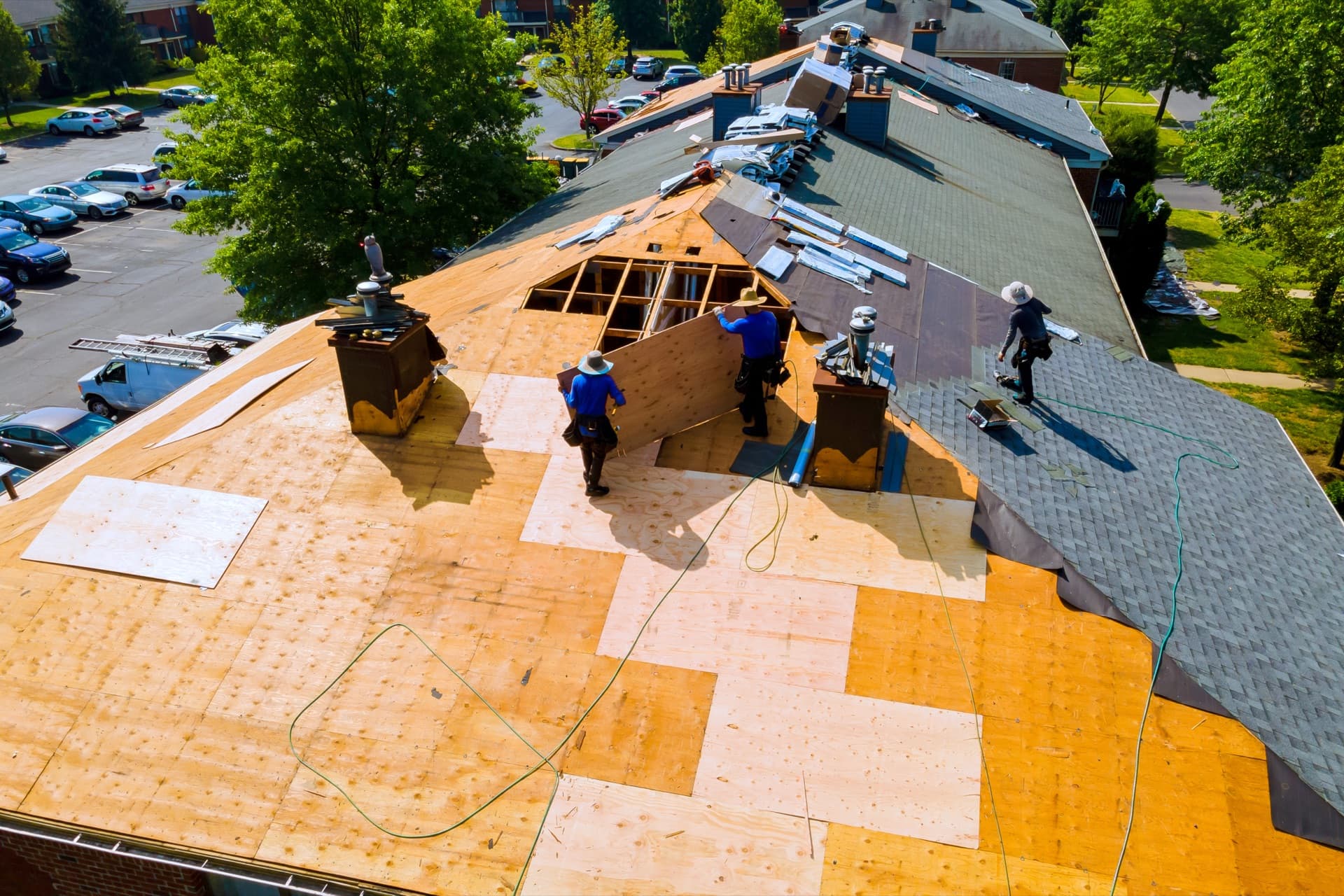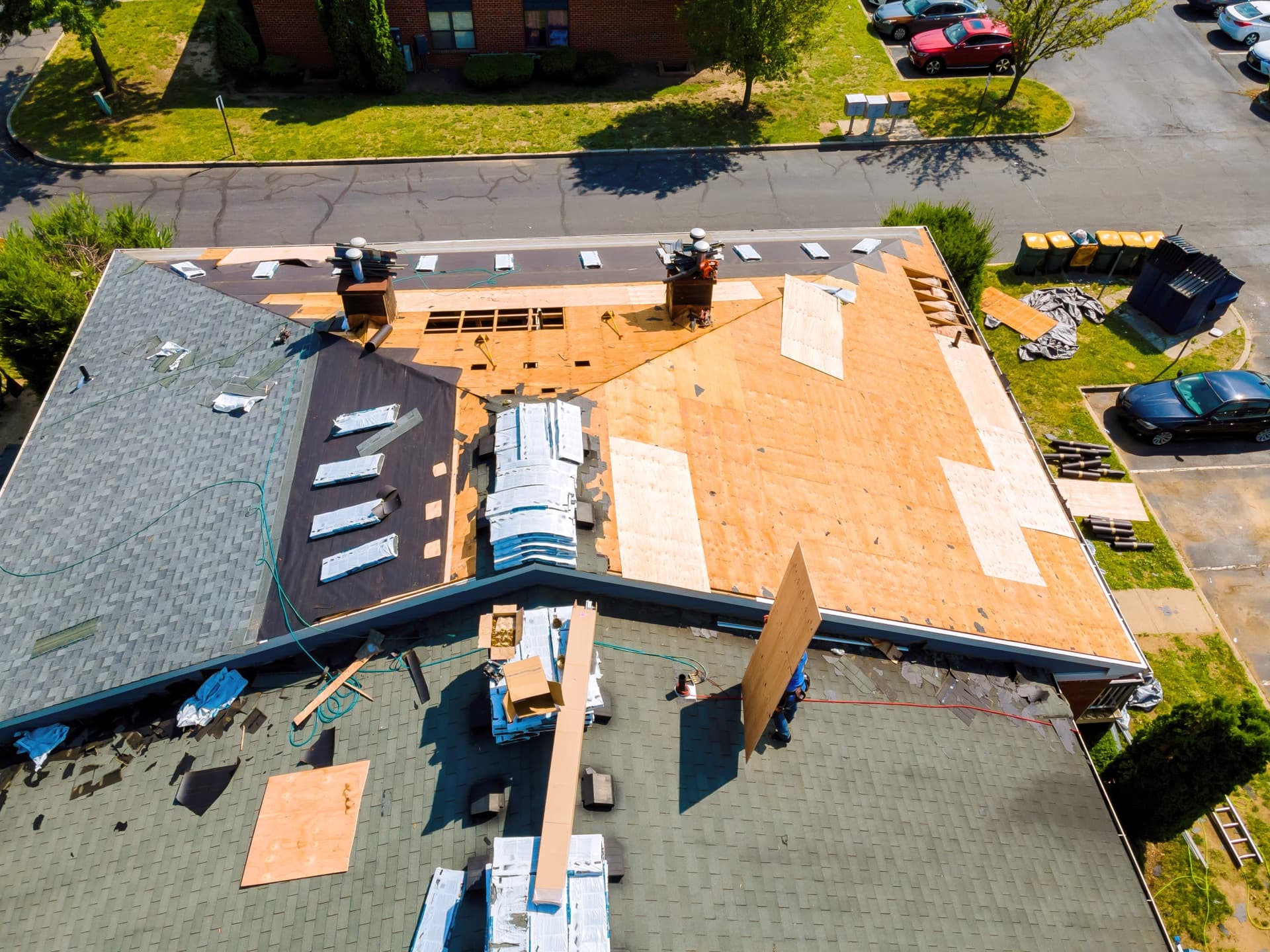
Not every leak means a new roof. Not every small problem is small. Here's how we decide between a repair and a replacement when we inspect a home in the Puget Sound.
This is probably the question we get asked more than any other. A homeowner spots a water stain on the ceiling, or a neighbor points out some missing shingles after a storm, and the first thing they want to know is whether they're looking at a quick fix or a new roof. The honest answer is, it depends on a handful of things, and most of them are easy to check once you know what to look for.
Start with age. Asphalt shingle roofs in the Seattle area usually last somewhere between 20 and 30 years, depending on the quality of the shingles and how well the roof was ventilated. Cedar shake goes a little shorter, maybe 20 to 25 if it was maintained, less if it wasn't. If your roof is under 15 years old and it's leaking, there's almost always a specific cause. A failed pipe boot, torn flashing, a branch strike, something local. Those are repair jobs. If your roof is over 20 and you're seeing problems in multiple spots, that's a different conversation.
Next, look at how widespread the damage is. One leak in one corner, probably a repair. Water stains showing up in two or three rooms that aren't near each other, usually means the roof has lost its waterproof layer in multiple places. That's rarely worth chasing with patches. You'll fix one, and another will show up in six months.
Check the shingles themselves. Curling edges, bald spots where the granules have worn off, cracks running across the surface, these are signs the asphalt has dried out and the roof is near the end. Once a shingle loses its granules, it cooks in the sun and cracks fast. You can sometimes get another year or two out of it, but you're living on borrowed time. On the flip side, shingles that look mostly intact but have a few missing or lifted ones? That's a repair all day.
Take a look at the decking too, if you can get into the attic. Stains on the underside of the plywood are a red flag. Soft spots or sagging between the rafters means the deck is failing and you're well past a simple patch. A good roofer can replace rotted sheathing, but if the rot is widespread, you're paying for the new roof anyway, so you might as well do it right.
Here's the rule of thumb we use at Everpeak. If the repair would cost more than about a third of a replacement, and the roof is more than halfway through its expected life, we tell homeowners to replace. You'll spend less overall, and you won't be chasing new problems every spring. If the roof is young and the damage is local, we'll fix it and send you on your way. We don't try to upsell replacements when a repair will actually hold.
One last thing worth mentioning. Insurance can change the math. If a windstorm took out a big section of shingles, your policy might cover a full replacement even if some of the roof is still fine. It's worth getting an inspection and a claim estimate before you make a decision. We help with that paperwork all the time, and it's free to find out where you stand.
If you're on the fence, get two honest opinions. Not three, not five. Two good roofers looking at the same roof will usually tell you roughly the same thing. If one says repair and one says replace, ask both of them to walk you through the reasoning. Whoever can show you photos and explain exactly why is the one you want to hire.
Written by
Everpeak Roofing
Licensed Seattle roofers, WA Contractor Lic. #EVERPRL743KE. We write from what we actually see on roofs across the Puget Sound.
Related roofing services
Got a roof question of your own?
Free inspections across Seattle and the Puget Sound. We take a look, show you photos, and give you a straight answer. No pressure.