Roof coatings can buy a commercial roof another 5 to 10 years, but they're not a fix for everything. Here's an honest breakdown of when they work, when they don't, and what they cost in the Seattle area.
Roof coatings get sold as a miracle fix. Spray it on, add 15 years, save thousands. The reality is more complicated. Coatings are a legitimate tool for extending the life of certain roofs, but they're not a replacement for actual roofing work, and they don't make sense in every situation. Here's the honest version.
#Coating types and how they hold up in Seattle
| Coating Type | PNW Suitability | Standing Water | Cost | Best For |
|---|---|---|---|---|
| Silicone | Best | Handles it well | High end of range | Seattle commercial, our default choice |
| Acrylic | Poor | Degrades in ponding water | Cheapest | Dry climates only, avoid in PNW |
| Elastomeric | Good | Moderate | Mid-range | Metal roofs that expand and contract |
#When coatings actually work
Coatings make the most sense on flat or low-slope commercial roofs that still have 5 to 10 years of structural life left. The membrane or built-up roof is showing wear (chalking, minor cracking, granule loss), but the deck underneath is solid, the insulation is dry, and there aren't any active leaks. In that sweet spot, a coating can add years of usable life for a fraction of the cost of a full tear-off and replacement.
On a 10,000 square foot warehouse roof, the difference between coating ($30,000) and full TPO replacement ($100,000) is real money. Coatings also work well as part of a maintenance program, apply a coating at year 12 or 15, then plan the full replacement for year 20 or 25. If the membrane is past saving, a full roof replacement is the more honest spend.
When coatings are a waste of money
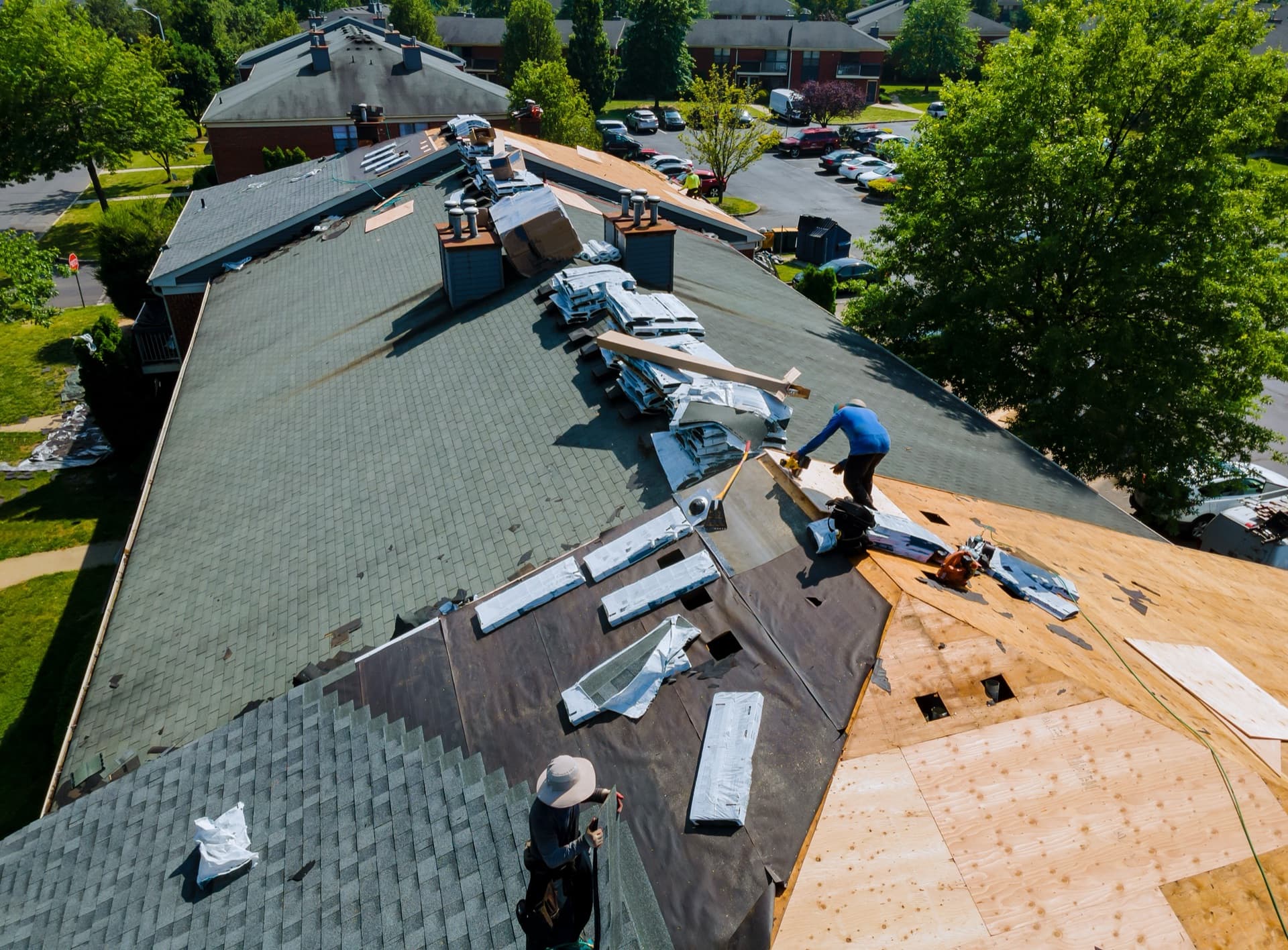
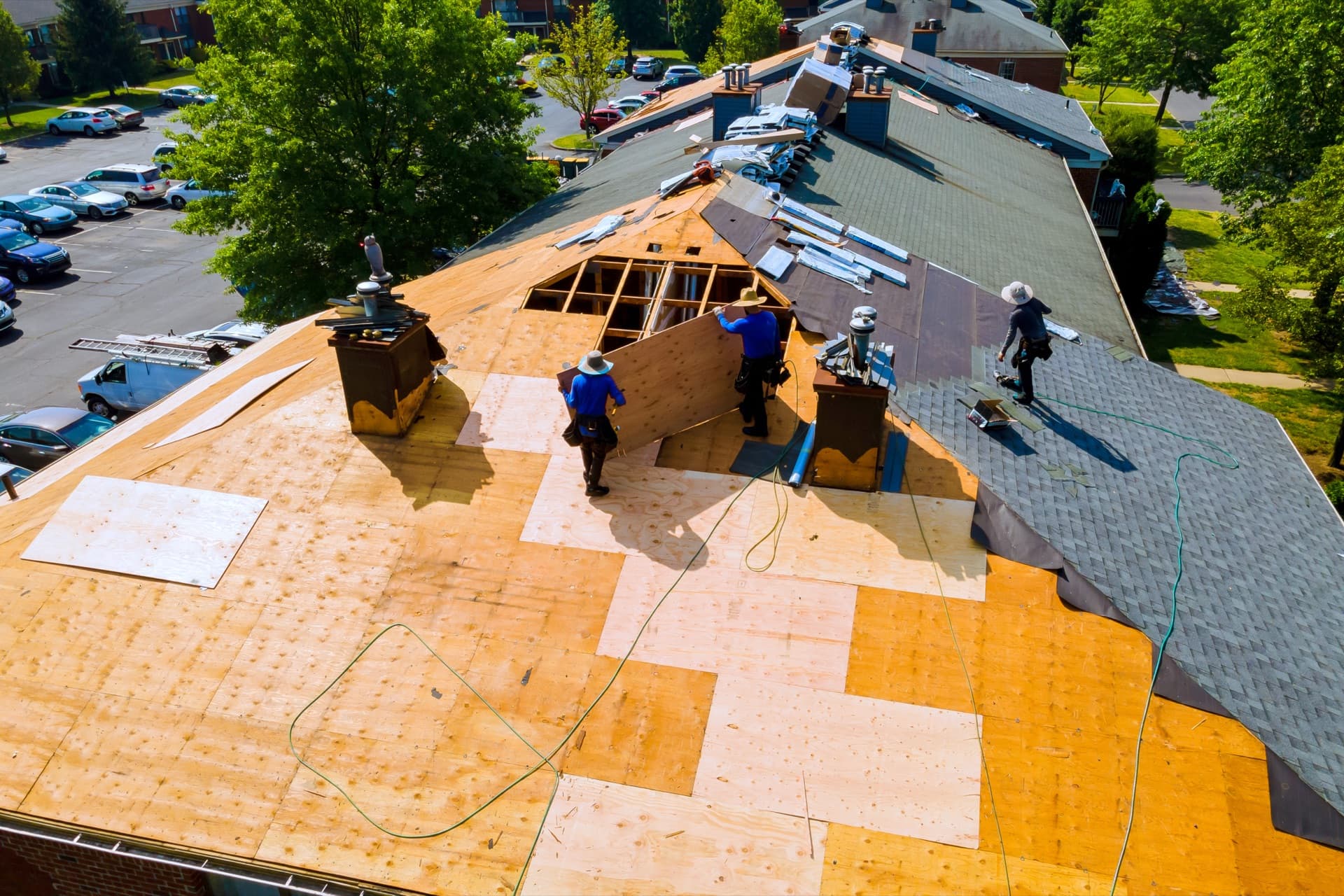
If the roof deck is rotting, the insulation is waterlogged, or the membrane has failed in multiple spots, no coating is going to save it. You're painting over a problem. The water is already inside the roof assembly, and a coating on top just traps it there. Steep-slope residential roofs (standard pitched shingle roofs) aren't good candidates either, coatings aren't designed for asphalt shingles. And if the expected remaining life is under three years, skip the coating and put the money toward the new roof.
#The Seattle timing problem
Coatings need a dry surface to bond. Most products require 24 to 48 hours of dry weather before and after application. In Seattle, that window exists reliably from about mid-June through September. Try to apply a coating in October and you're gambling on the forecast. A good roof inspection in spring gives you time to plan the work for summer when conditions are right.
The honest verdict
Roof coatings are maintenance, not magic. They're a solid option for commercial and flat-roof buildings with aging but structurally sound membranes, they buy time, reduce costs in the short term, and make sense as part of a long-term roof management strategy. They're not a fix for damaged decking, failed insulation, or residential shingle roofs. And they're not a substitute for replacement when the roof has reached the end of its useful life.
If you've got a commercial roof that's showing its age and you're wondering whether a coating or a full replacement is the better move, reach out to us. We'll take a look and tell you straight which option actually makes sense for your building.
Written by
Everpeak Roofing
Licensed Seattle roofers, WA Contractor Lic. #EVERPRL743KE. We write from what we actually see on roofs across the Puget Sound.
Related roofing services
Got a roof question of your own?
Free inspections across Seattle and the Puget Sound. We take a look, show you photos, and give you a straight answer. No pressure.