The standard home inspection barely scratches the surface on roofing. Here's what to check yourself during showings, what a pro inspection covers, and how to use the findings to negotiate.
Buying a home in Washington is exciting until you close on a house and find out the roof needs $15,000 in work nobody mentioned. It happens more often than you'd think, and the reason is simple: the standard home inspection barely covers the roof. Most home inspectors spend about 15 minutes up there, note whether it looks 'fair,' 'good,' or 'poor,' maybe flag some moss, and move on. That's not enough. The roof is the most expensive single component of the house, and a vague rating doesn't tell you what you're actually buying into.
#What to check yourself during a showing
You don't need to climb on the roof. Just pay attention. Ask the seller how old the roof is. If they don't know, check the county permit records online, King, Snohomish, and Pierce County all have searchable databases. No permit on record for a 'new roof'? That's a yellow flag. Look at the roof from the street. Sagging ridge lines mean structural issues. Mismatched shingle colors usually mean patch repairs, which tells you the roof has had problems. Dark streaks are algae. Green patches are moss. Check the gutters. Pulling away from the fascia? Packed with debris? Overflowing stains on the siding? Gutters in bad shape usually mean the roof hasn't been maintained either. Ask to see the attic. Bring a flashlight. Look for water stains, dark spots, or daylight coming through. Active dripping or black mold is a deal-breaker.
#PNW-specific things to watch for
Washington-specific red flags
Moss everywhere, doesn't automatically mean the roof is shot, but heavy moss that's been left for years can lift shingle edges and trap water against the deck. Cedar shake homes, many older Washington homes, especially craftsman-style places in Seattle and the Eastside, still have original or second-generation cedar roofs. Check whether the home has skip sheathing (spaced boards instead of solid plywood), which was standard under shake but won't work if you convert to shingles later, that conversion adds cost. Poor attic ventilation, Poorly vented attics trap condensation all winter, which rots the deck from the inside. You won't see it from the street.
#What a professional roof inspection covers
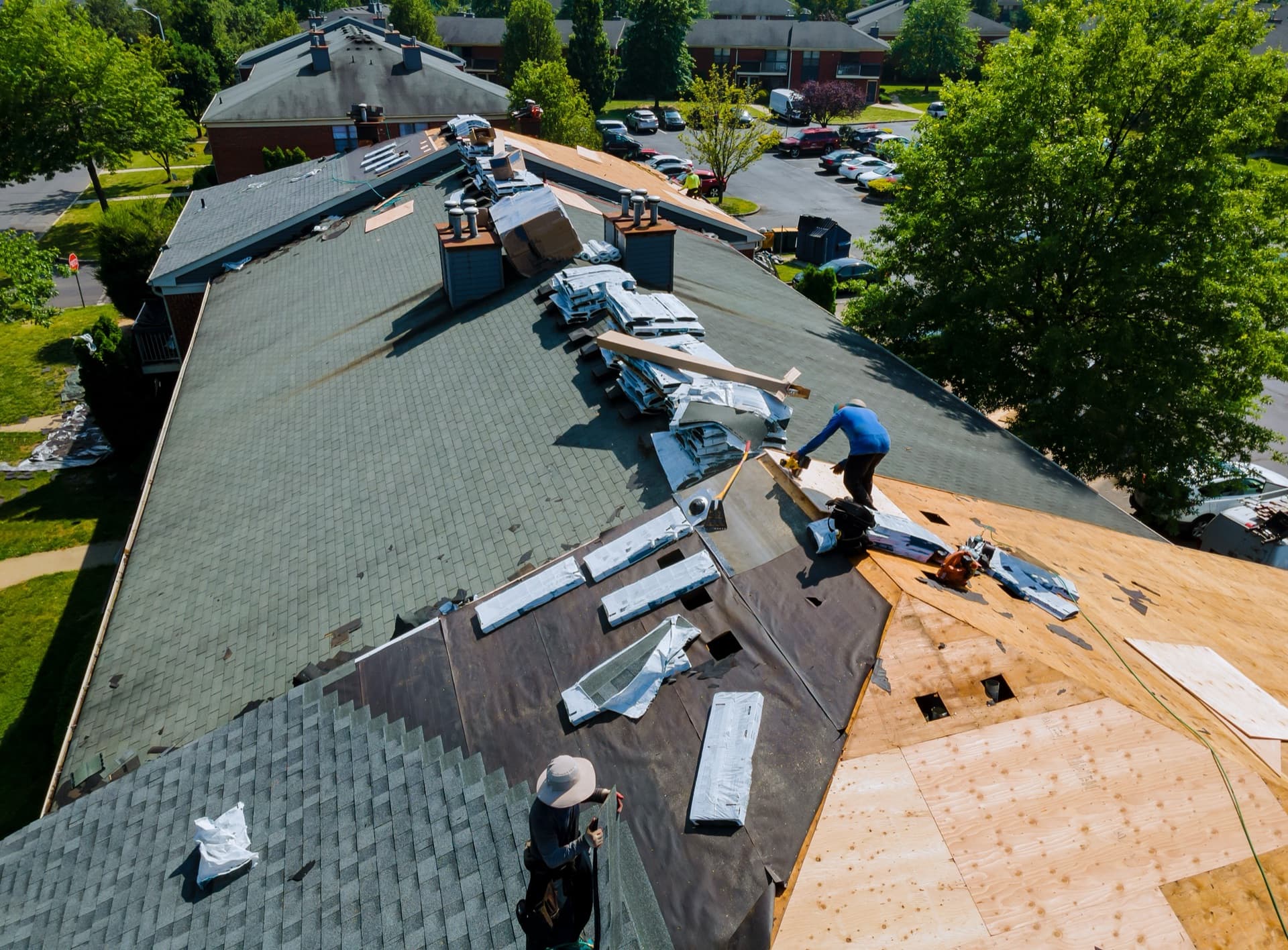
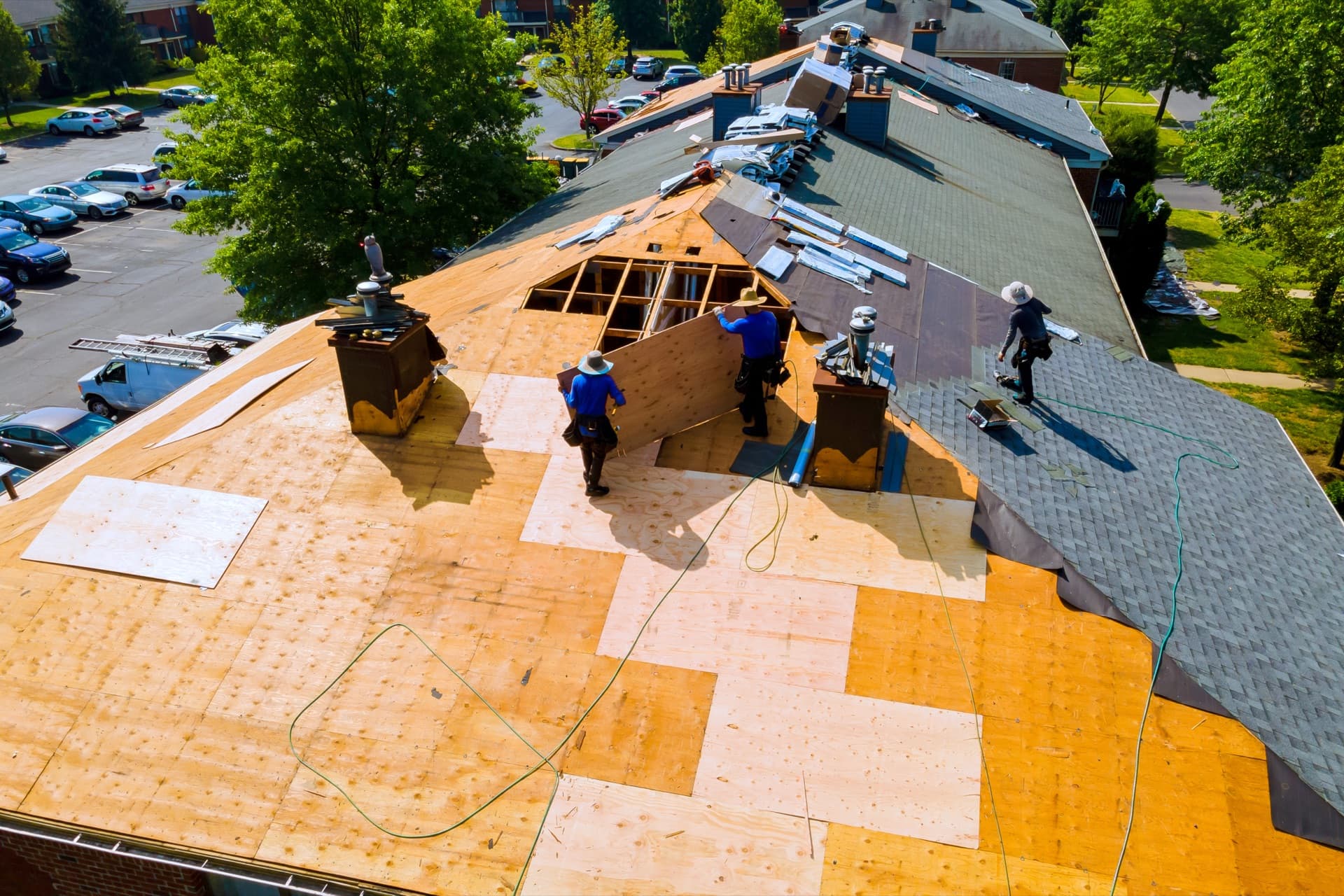
A proper inspection goes component by component: shingles (condition, remaining life, manufacturer), flashing at every wall intersection, chimney, skylight, and vent pipe, gutters and downspouts, ridge and soffit vents, deck condition from inside the attic, drainage, pitch, and any areas where water might pool. You'll get a written report with photos, a remaining life estimate, and a list of what needs fixing now versus what can wait. For a full breakdown of what inspectors look for, our roof inspection checklist covers every line item.
#Using the inspection to negotiate
A free inspection can save you $8,000 at the negotiating table
If the inspector finds $8,000 in needed work, missing flashing, end-of-life shingles, a few sheets of rotted decking, that's a number you can bring to the table. Ask for a credit off the sale price, or ask the seller to complete the repairs before closing. If the roof needs a full replacement, that changes the math on the whole deal. Knowing whether you're looking at a repair or a full replacement before you close is the difference between a good investment and a money pit.
A dedicated roof inspection during escrow is easily the most useful step in the buying process, and ours is free. If you're buying a home in the Seattle metro or anywhere in Western Washington, reach out to us and we'll get someone on the roof before your inspection deadline. No pressure, just a clear report you can use to make a smart decision.
Written by
Everpeak Roofing
Licensed Seattle roofers, WA Contractor Lic. #EVERPRL743KE. We write from what we actually see on roofs across the Puget Sound.
Related roofing services
Got a roof question of your own?
Free inspections across Seattle and the Puget Sound. We take a look, show you photos, and give you a straight answer. No pressure.