TPO runs $8 to $12 per square foot installed and typically lasts 20 to 30 years in Seattle's climate. Here's how it compares to EPDM and PVC, and what actually shortens its life here.
If you're comparing flat-roof options for a Seattle commercial building, TPO is worth putting at the top of the list. It runs $8 to $12 per square foot installed, holds up for a realistic 20 to 30 years here, and handles our wet climate better than EPDM's glued seams do. It's also the membrane we install most on commercial roofing jobs across the Puget Sound. Walk across any flat-roofed office park, warehouse, or retail strip in the region and odds are good you're standing on thermoplastic polyolefin. Here's what actually matters if you're deciding between TPO, EPDM, and PVC for a flat roof in this climate, and what shortens a TPO roof's life once it's on.
#TPO vs EPDM vs PVC: quick comparison
| Material | Cost Installed | Seam Type | PNW Suitability | Best For |
|---|---|---|---|---|
| TPO | $8 to $12 / sq ft | Heat-welded | Excellent | Most Seattle commercial buildings |
| EPDM (rubber) | $6 to $9 / sq ft | Taped and glued | Poor, glued seams fail in wet climates | Dry climates; not recommended here |
| PVC | $10 to $16 / sq ft | Heat-welded | Excellent | Restaurants, buildings with grease exhaust |
#Why TPO works well in the PNW
Seattle's climate is actually pretty friendly to TPO, more so than hotter regions where UV degrades the membrane faster. The white reflective surface meets cool-roof code requirements without additional coatings. Ponding water is the biggest concern on any flat roof, and TPO handles it well. The material doesn't absorb water, and heat-welded seams stay tight even when water sits on them for extended periods.
That matters here because a flat commercial roof in Seattle will have standing water after almost every storm from October through April. EPDM's glued seams are the weak link in wet climates, we've pulled a lot of failed EPDM seams off commercial roofs that were under 15 years old.
#Common TPO failures
Three things account for most of the TPO repair calls we get
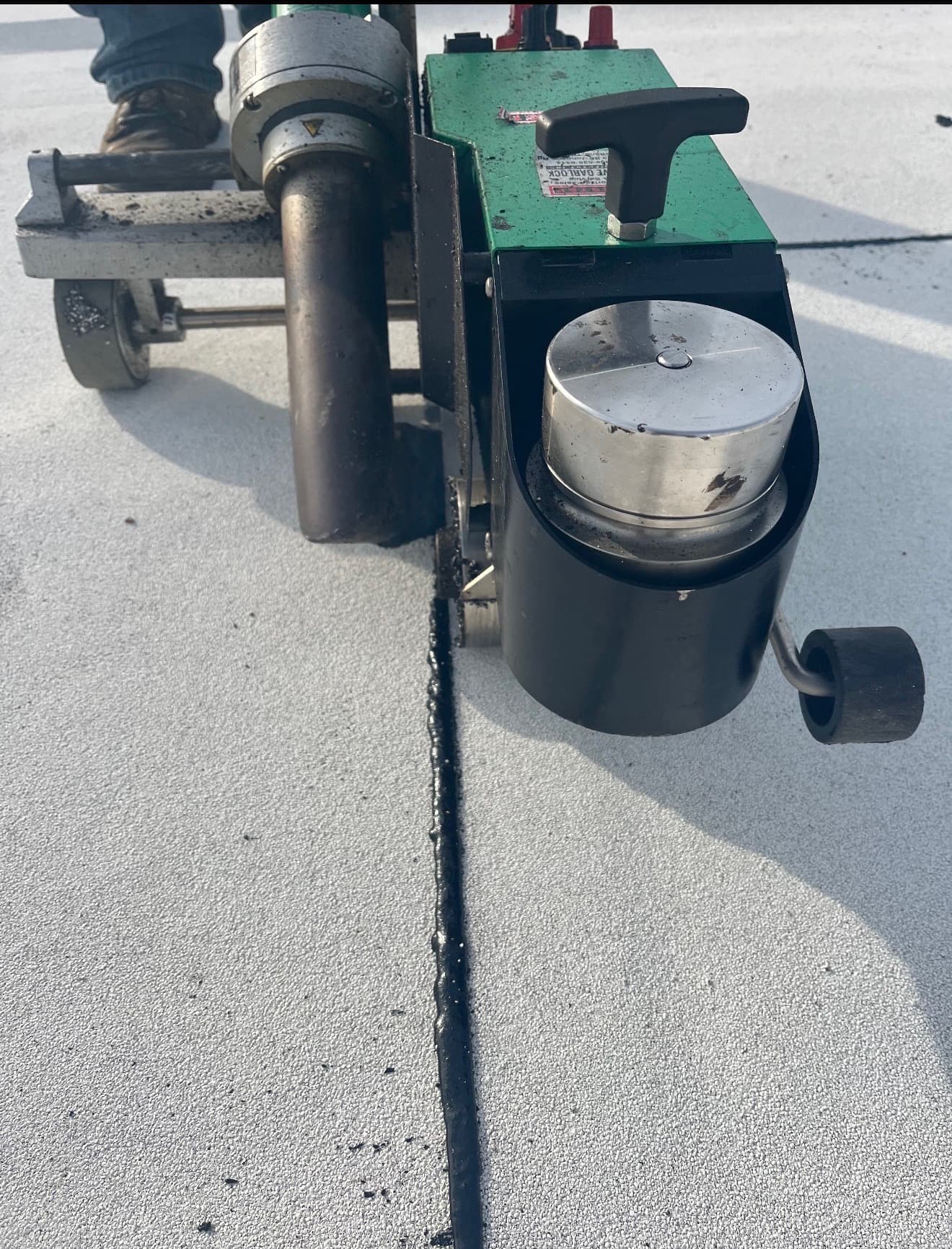
Seam separation from poor welding, if the installer ran the welder too fast, used the wrong temperature, or tried to weld in wet conditions, the seam won't hold. You'll see it as a lifted edge along the overlap. Water gets underneath and the problem spreads. Ponding at low spots, over time insulation compresses and new low spots develop. If water sits in the same spot for more than 48 hours after rain, you've got a drainage issue. Punctures from foot traffic, HVAC techs, window washers, anyone walking the roof can punch through with a dropped tool or sharp boot tread. Buildings with rooftop equipment need walk pads installed along traffic paths.
#Maintenance: what to actually do
Annual maintenance that keeps a TPO roof alive
Get the roof inspected once a year, ideally in spring after the heavy rain season. Clear all drains, scuppers, and gutters, fir needles and leaves clog drainage constantly in the PNW. Check every seam, especially around penetrations (pipes, HVAC curbs, skylights). Look for punctures, blistering, or lifted edges. If the membrane is showing age but deck and insulation are still solid, a roof coating can buy 5 to 10 more years before a full replacement. A maintenance program is the easiest way to stay on top of all this.
#Install quality matters more than brand
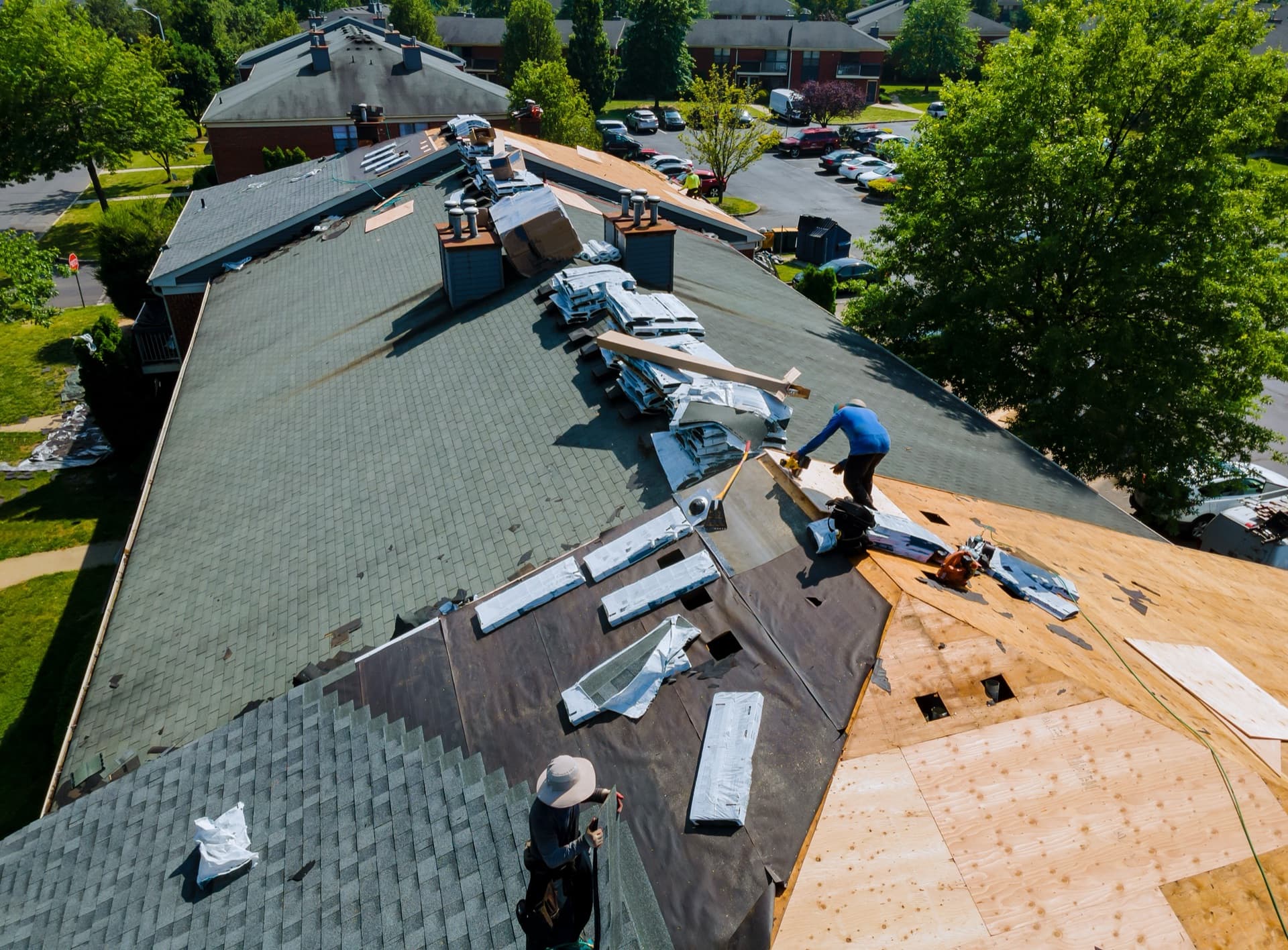
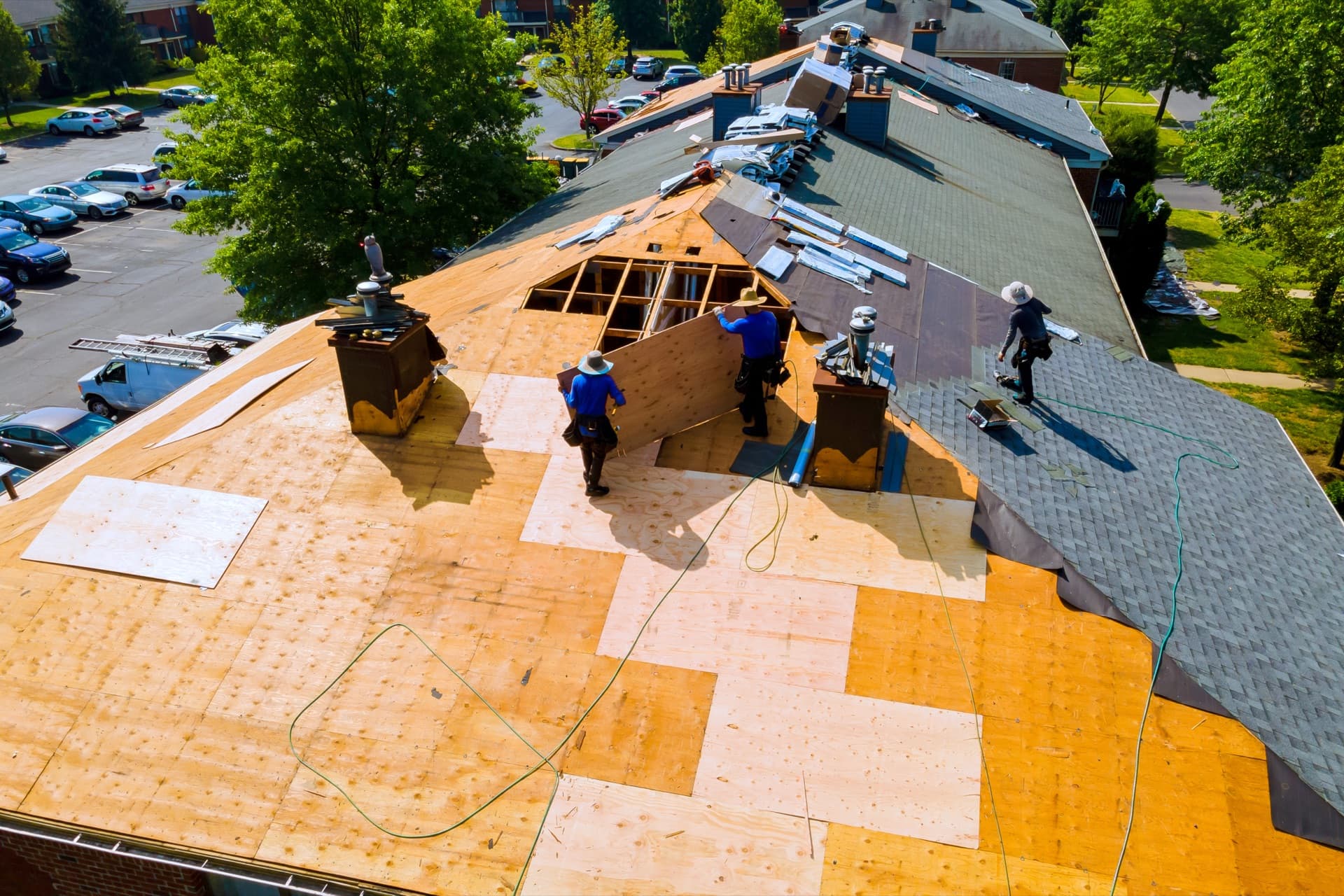
A TPO roof put on by an experienced crew with correct seam welding temperatures and proper detail work at penetrations will push toward that 30-year mark. A roof installed by the lowest bidder who rushed the seams might start leaking in 8 to 10 years. The quality of the install crew matters more than the quality of the membrane itself.
For most commercial buildings in the Puget Sound, TPO is the sweet spot between cost and performance. If you're not sure whether your commercial roof needs a coating, a repair, or a full replacement, get in touch. We'll look at what you've got and tell you which direction actually makes sense.
Written by
Everpeak Roofing
Licensed Seattle roofers, WA Contractor Lic. #EVERPRL743KE. We write from what we actually see on roofs across the Puget Sound.
Related roofing services
Got a roof question of your own?
Free inspections across Seattle and the Puget Sound. We take a look, show you photos, and give you a straight answer. No pressure.